Updated
How Ingredients in Feminine Care Products Affect Your Vaginal pH
When it comes to skincare, most of us have learned to read ingredient labels. We know what works for our skin, what doesn't, and which ingredients we'd rather avoid.
But when it comes to intimate care, many women are left guessing.
The truth is that the vulva and vaginal area have unique needs, and the products you use can affect comfort, hydration, and overall vaginal health. That's why understanding what's in your intimate wash, moisturizer, or lubricant (and what those ingredients are designed to do) matters more than you might think.
If you've ever spotted a product labeled “pH balanced,” you may have wondered what that actually means. It's a good question, because vaginal pH plays an important role in maintaining the vagina's natural environment.
During the reproductive years, a healthy vaginal pH typically falls between 3.8 and 4.4. That mildly acidic environment is maintained in part by beneficial bacteria called Lactobacilli, which produce lactic acid and help keep less friendly bacteria in check, according to a 2017 review in Women's Health. When a product disrupts that environment or interferes with the natural bacterial balance, it may contribute to irritation or other unwanted changes.
And here's something worth knowing: vaginal pH isn't the same throughout your life.
Before puberty, vaginal pH is closer to neutral, around 7. During the reproductive years, it typically settles into that mildly acidic range. After menopause, pH tends to rise as estrogen levels decline and less lactic acid is produced. According to the same review, vaginal pH often reaches around 6.5 to 7.0 after menopause in women who aren't using hormone therapy, compared with approximately 4.5 to 5.0 in those who are.
These changes are a normal part of life, but a higher vaginal pH after menopause can be associated with changes in the vaginal microbiome and increased growth of bacteria that may contribute to irritation.
So, where do intimate care products fit into all this?
The ingredients matter because products come into contact with delicate vulvar skin, and some may also affect the vaginal environment, depending on how and where they're used. Formulas containing harsh detergents or added fragrances, for example, may irritate sensitive skin. Choosing products formulated with intimate health in mind can help you avoid unnecessary irritants and make more informed decisions about your care.
The takeaway? Your intimate area has its own natural balance, and it doesn't need an overly complicated routine. Understanding vaginal pH, how it changes with age and hormones, and how product ingredients may affect your intimate health can help you choose products that work with your body rather than against it.
Read the Ingredient List, Not Just the Marketing Claims
The intimate care aisle is full of products promising freshness, cleansing, hydration, and all-around comfort. But flashy packaging and feel-good claims don't always tell the whole story.
The real question is: What's actually inside the formula?
Ingredients play a major role in how an intimate care product feels and performs. Some help attract and retain moisture, while others support the skin barrier or help soothe sensitive tissue. And depending on the formula, certain ingredients may be more irritating to delicate vulvar skin than others.
That's why it's worth looking beyond the front of the package and paying attention to the ingredient list.
Words like “natural,” “pure,” and “gentle” can sound reassuring, especially when you're shopping for something as personal as intimate care. But these terms don't tell you everything you need to know about a product's formulation or how your skin might respond to it. The ingredient list on the back gives you a much clearer picture of what's actually inside.
And here's where things get interesting: a longer ingredient list isn't automatically a red flag, just as a short list filled with “clean”-sounding ingredients isn't automatically safer. What matters is which ingredients are used, what they're designed to do, and whether they're suitable for the sensitive tissue they're meant to come into contact with.
In other words, clean doesn't automatically mean better, and complicated doesn't automatically mean harsh.
Think of it the same way you would your favorite skincare products. The pretty packaging might catch your eye, but the formula is what deserves a closer look. When choosing feminine care products, prioritize formulations designed with hydration, comfort, and skin compatibility in mind rather than relying on marketing claims alone.
Your intimate care routine doesn't need the fanciest packaging or the trendiest buzzwords. It needs products that make sense for your body and your needs.
Vaginal Moisturizers, Intimate Washes, and Lubricants: What’s the Difference?
Vaginal moisturizers, intimate washes, and lubricants may all fall under the umbrella of intimate care, but they each have a different job to do.
Lubricants are made for the moment. They reduce friction and add slip during sex, and their effect is short-term by design, meant to be reapplied as needed rather than left to work over time.
Moisturizers are made for ongoing use, not a single encounter. They're typically used on a regular schedule, every few days or even daily, to address dryness that shows up on its own, separate from sexual activity, according to a review in the International Journal of Women's Health.
Washes are made for the external skin of the vulva, not for the inside of the vagina.
Whichever product you choose, look for a formula designed with your body's natural chemistry in mind. A product's pH and overall formulation can make a difference, so these are worth considering when comparing your options. It's not just marketing talk, either. The 2017 review discussed earlier highlights why formulation matters when it comes to maintaining the vaginal environment.
There's one important thing to remember, though: your vagina doesn't need a cleaning product. It's self-cleaning, which means there's no need for internal washes or douching. In fact, douching can disrupt the vagina's natural acidity and bacterial balance and is associated with a higher risk of bacterial vaginosis, according to the Office on Women's Health.
The vulva, on the other hand, is the external genital area, and gentle external cleansing is a different matter entirely. You can wash the outside without putting anything inside. Your vagina already has its own cleanup routine, and it doesn't need a helping hand!
So, how do you know which product makes sense for your needs? Think about what you're trying to address. Lubricants help reduce friction during sexual activity, while vaginal moisturizers are designed to relieve dryness over time with regular use. And for everyday cleansing, a gentle external wash is all you need if you choose to use one. Each product has its own purpose, so choosing the right one starts with knowing what you actually need.
Ingredients That Commonly Irritate Sensitive Skin
Not every ingredient belongs in intimate care.
While everyone's skin is different, certain ingredients are more likely to cause irritation in sensitive areas.according to the Cleveland Clinic:
- Added fragrance or perfume, even in small amounts
- Dyes and colorants
- Harsh or antibacterial agents
- Certain preservatives
- Harsh sulfate-type surfactants, the soap and detergent bases that foam aggressively
An unscented, dye-free, gentle formula, or water alone, is the simplest choice for everyday external cleansing. It's a gentler than general body soap when skin tends to react.
If irritation sticks around for more than a few days, gets worse, or feels severe, or if you notice painful sores or blisters or a real change in your discharge, that's a reason to see a healthcare provider rather than keep testing new products on your own.
What "Clinically Tested" Actually Tells You
“Clinically tested” and “clinically proven” sound reassuring, don't they? But these phrases don't automatically mean a product has been proven to work.
In general, “clinically tested” means a product has been evaluated through some form of testing involving human participants. What it doesn't tell you is how extensive that testing was, what it measured, or whether it supports every claim on the package.
According to the Federal Trade Commission's Health Products Compliance Guidance, well-designed, randomized controlled human trials are generally considered the strongest form of evidence for substantiating health-related claims. There's a big difference between that level of evidence and a limited test, or a study examining just one ingredient rather than the finished product.
So, when shopping for intimate care products, look beyond the label. Has the finished formula been tested? What outcomes were measured? Does the brand share meaningful details about its findings? The more transparent a company is about its testing, the better equipped you are to make an informed choice.
The bottom line: “Clinically tested” is a starting point for asking questions, not a guarantee that a product will deliver every promised benefit.
Choosing Intimate Care Products With Confidence
Ready to shop? Keep it simple: check the ingredient list, consider your skin's sensitivities, and look for products formulated with intimate health in mind. Treat claims like “pH balanced” and “clinically tested” as useful starting points, not guarantees. You don't need the most expensive product or the trendiest ingredients—just a formula that fits your needs.
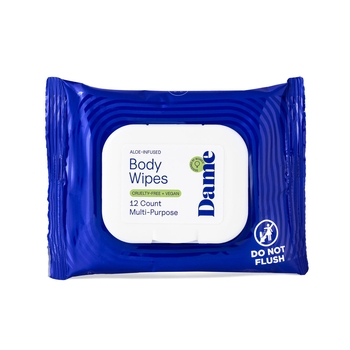
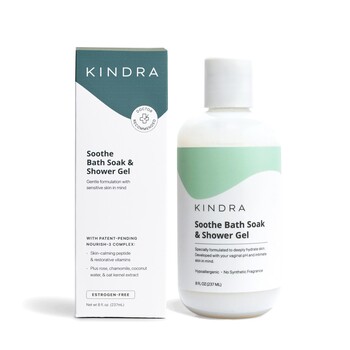
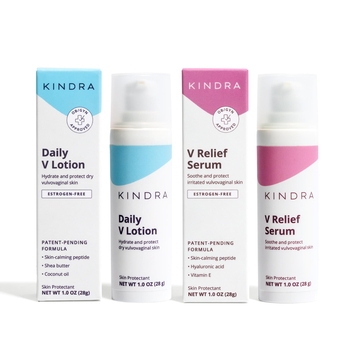
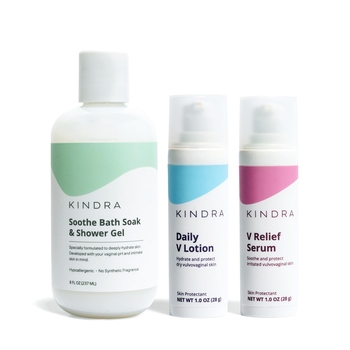
Not sure where to start? Here are a few options to explore. Kindra Gentle Soothe Bath Soak & Shower Gel is a gentle wash made for everyday external cleansing. The Kindra V Hydration & Dryness Relief Duo pairs two products for ongoing moisture between uses. The Kindra Ultimate Comfort and Cleansing V Relief Bundle brings comfort and cleansing together in one bundle, and Dame Aloe & Cucumber Body Wipes offer a gentle wipe option for cleanup on the go.
There’s no one-size-fits-all choice when it comes to intimate care. Whatever you choose, knowing what’s in the formula is one of the best ways to find a product that fits your needs. You can also browse lubes and sexual wellness at Adam & Eve to compare other options side by side.