Updated
What Women's Sex Secrets Really Reveal
When women talk more openly about their sex lives, a few common themes tend to come up: not orgasming from penetration alone, wanting more clitoral stimulation, masturbating, and wishing it were easier to tell a partner what feels good. These aren't scandalous secrets or unusual experiences. They're a normal part of sexuality that people don't always feel comfortable talking about.
Research backs up many of these experiences, and there's nothing wrong with them. Understanding what's common can help women feel more confident exploring what they enjoy, communicating their needs, and asking for what feels good to them.
Why So Many Women Stay Quiet About These Things
A lot of the quiet comes down to which parts of sex get treated as the main event. Penetration is often framed as the real thing, while clitoral touch, extended foreplay, or simply asking for something different gets treated as an optional extra. That framing shapes what people think they're allowed to want, and it shapes what women feel comfortable saying out loud.
Researchers call the resulting pattern the orgasm gap: a well-documented tendency for heterosexual women to orgasm less often than heterosexual men during partnered sex. A 2022 study published in Gender & Society found that in its own sample, 62% of women said they usually or always reached orgasm with a partner, compared with 86% of men. The difference isn't about how women's bodies work. It's more about the kinds of touch that get the most attention, something research has found across multiple studies.
The Most Common Secrets Women Share About Sex
Wanting more than penetration alone. Many women find that penetration by itself isn't usually enough to reach orgasm, and that stimulating the clitoris at the same time, whether by hand, a partner, or a toy, makes a real difference. A 2021 U.S. study of women's sexuality, which surveyed more than 3,000 women ages 18 to 93, found that about 7 in 10 said combining clitoral stimulation with penetration helped them orgasm more often or made penetration feel more pleasurable. It's simply how most of the women in that study said their bodies responded best.
Masturbating, often more than anyone would guess. According to the Cleveland Clinic, masturbation is a normal, healthy part of sexual development and a common behavior among people of all sexes and ages. It only becomes a concern if it feels compulsive or gets in the way of daily life. For most women, it's simply a private way to learn what feels good.
Wanting to say something and not knowing how. Plenty of women have a specific want, a boundary, or a question about their own pleasure that they've never said out loud to a partner, not because it's shameful, but because there's rarely an easy opening to bring it up.
How to Talk About These Secrets Without Pressure
Sharing any of this with a partner is entirely your call, and there's no deadline for deciding when, or whether, to do it. You don't owe anyone a full account of what you like, what you've tried on your own, or what hasn't worked for you. If and when you do want to bring something up, you get to choose the moment and the words.
Research suggests talking helps. A 2019 Journal of Sex Research analysis, drawing on 48 studies and more than 12,000 participants, found that couples who talk openly about sex report better desire, arousal, and overall sexual function than those who don't. Each conversation still unfolds in its own way, shaped by timing, the relationship, and the two people in it.
If a partner responds awkwardly, defensively, or not at all, that reaction says something about that moment, not about whether you were right to bring it up. You can pause, try again later, or decide a particular topic isn't one you want to revisit right now. The point is to keep the choice yours from start to finish.
These Experiences Are More Common Than You Think
If you recognize yourself in any of this, you're not alone. Needing clitoral stimulation to orgasm, having a harder time reaching orgasm through penetration alone, and masturbating regularly are all common parts of how women's bodies and desires work.
What varies from person to person is real, and it can change over time, with a different partner, or at a different point in your life. The goal isn't to match anyone else's experience. It's to understand your own well enough to ask for what actually works for you, and to trust that wanting more than one specific act is normal.
Lubricant and Clitoral Vibrators Worth Trying
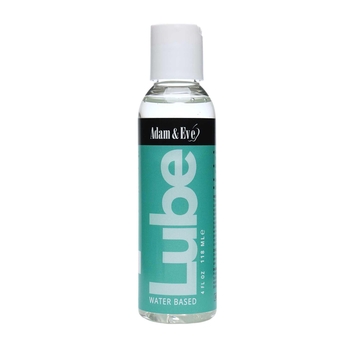
Whether you're exploring on your own or with a partner a water-based lubricant like Adam & Eve Lubricant can make hand, toy, or touch feel smoother and more comfortable.
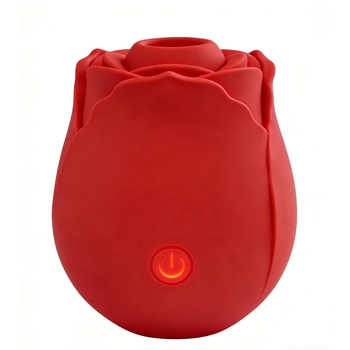
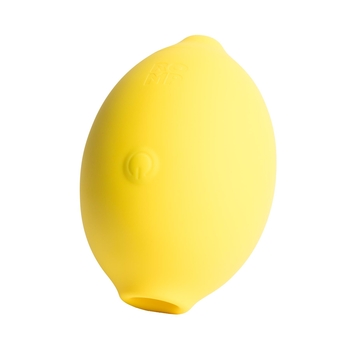
For stimulation itself, a few different clitoral vibrators are worth considering. The Satisfyer Pro 2 (2nd Generation), Eve's Blooms of Bliss, and the Romp Lemon Crush all add a different style of touch than a traditional vibrator.
Just remember to listen to your body and find what feels good for you.