Updated
So, What Is Perimenopause?
Perimenopause is basically the “in-between” phase before menopause, when hormones start doing a bit more of a slow fade. It can begin as early as your late 30s or early 40s and may last a few years, or stretch out much longer than expected. According to the Cleveland Clinic, estrogen levels "go up and down like a rollercoaster" as estrogen and progesterone don’t exactly follow a schedule. One month things might feel fairly normal, and the next it can feel like everything has shifted overnight. Those fluctuations can ripple through almost everything including energy, mood, skin, brain fog, metabolism, and even vaginal health.
Unlike menopause, which is confirmed after 12 straight months without a period, perimenopause is more about inconsistency than certainty. Cycles can get shorter, longer, heavier, lighter, or just unpredictable enough to keep you guessing.
And while hot flashes tend to steal the spotlight, a lot of women find that the less-talked-about symptoms are the ones that really sneak into daily life and make themselves known.
How Hormone Swings Show Up Day to Day
Day to day, these hormone swings can show up in varied, sometimes surprising ways. A few of the most common patterns:
- Periods that come closer together, skip a month, or arrive heavier or lighter than before.
- Sleep that gets lighter or more interrupted, even without an obvious cause.
- Hot flashes or night sweats, sometimes for the first time.
- Mood that shifts faster than it used to, with more irritability or low stretches mixed in.
- Unexpected vaginal dryness or irritation
- Interest in sex that rises, falls, or simply feels different than it used to.
That last one deserves its own sentence: a change in desire during perimenopause is hormonal, not a reflection of your attraction, your identity, or how you feel about your partner. It's simply part of how your body moves through this transition.
A few ordinary habits can help steady things while your hormones recalibrate.
Drinking enough water, protecting your sleep where you can, finding small ways to relieve stress, eating balanced meals, and pacing yourself through harder days all support how your body moves through this transition.
Comfort Options: Lubricants, Moisturizers, and More
When vaginal dryness or discomfort shows up, a few different tools serve a few different purposes, and knowing the difference helps you reach for the right one at the right time.
Lubricants are for the moment. The Menopause Society notes they reduce friction and discomfort during sexual activity and come in water, silicone, and oil-based formulas. If you use condoms, keep in mind that oil-based lubricants can damage latex condoms, making water or silicone-based options a better choice.
Vaginal Moisturizers on the other hand, are all about ongoing comfort. Used regularly, often several times a week, they help maintain moisture in vaginal tissue over time, whether or not you're planning to be intimate. Think of lubricants as on-the-spot relief and moisturizers as part of your regular care routine.
Regular sexual stimulation, whether partnered, solo, or with a device such as a vibrator, is worth mentioning too. It promotes natural blood flow and lubrication and, per the Menopause Society, may improve vaginal health. It's one option to factor in alongside lubricants, moisturizers, or a conversation with your doctor.
The Emotional and Relationship Impact
Perimenopause doesn’t just show up in the body, it can also spill over into mood, confidence, and even relationships, which can make things feel a little off.
Because hormones are closely tied to mood regulation, it’s pretty common to notice things like:
- A little more anxiety than usual
- Mood swings that seem to come out of nowhere
- Irritability over things that normally wouldn’t matter
- Brain fog (where did I put that thought again?)
- Increased tiredness
- Confidence taking a bit of a dip
And when physical symptoms and emotional ups and downs overlap, intimacy can sometimes feel less spontaneous and more complicated than it used to.
It can also be confusing on the outside looking in, especially for partners who can’t see what’s going on. That’s where simple, honest communication helps a lot. Sharing that shifts in desire or comfort are coming from hormonal changes, not changes in love or attraction, can take a lot of pressure off both partners.
At the end of the day, perimenopause isn’t “just getting older.” It’s a major hormonal transition and it deserves understanding, support, and a little extra care along the way.
Why Vaginal Health Changes During Perimenopause
Estrogen plays a major role in maintaining the health of vaginal tissue. It supports elasticity, moisture, circulation, and the delicate balance of the vaginal microbiome.
When estrogen fluctuates and declines, the body responds in noticeable ways:
- Natural lubrication decreases
- Tissue becomes more delicate
- Dryness and irritation become more common
- Sensitivity increases
This is why so many women begin searching for solutions that help them feel comfortable in their bodies again, not just during intimacy, but throughout everyday life.
The good news? Recognizing the changes taking place can make this phase feel far less overwhelming, and brands like Kindra are giving women greater access to education, support, and modern wellness options designed for this stage of life.
Kindra is redefining vulvovaginal wellness with science-driven intimate care created for women through every hormonal shift and life stage. Whether addressing dryness linked to GLP-1 medications, postpartum recovery, perimenopause, or menopause, the brand is focused on making intimate wellness a more open, informed, and supported part of women’s health.
Its collection of estrogen-free products is developed with doctor-trusted ingredients and backed by extensive scientific research, including more than 160 clinical studies. The lineup features patent-pending intimate moisturizers, lubricants, gentle vulva care, and wellness supplements formulated to promote hydration, soothe sensitivity, and restore everyday confidence through thoughtful, science-led self-care.
It's worth bringing in a doctor when comfort measures you've tried leave things unchanged, when bleeding changes dramatically, when pain during intimacy continues despite lubrication or regular moisturizing, or when something feels off in a way that's hard to pin down. Some vaginal and vulvar symptoms come from unrelated causes, such as infections, allergic reactions, or certain skin conditions, so a clinician can rule those out and confirm you're addressing the right thing. Walking in with a specific list of what you've noticed and what you've already tried makes that appointment go further.
Perimenopause may shake things up downstairs, but with a little knowledge and the right support, your vaginal health can still thrive through every phase of the journey.
How to Support Your Body During Perimenopause
Perimenopause doesn’t come with a rulebook, and honestly, no two experiences look exactly alike. The good news? There are plenty of ways to support your body while it adjusts to all the hormonal plot twists.
- Drink more water
- Protect your sleep
- Find stress relief that works for you — walks, workouts, deep breaths, etc.
- Aim for balanced meals that help keep your energy and mood steady
- Give yourself permission to slow down and listen to your body
And if symptoms start interfering with your daily life, you don’t have to just deal with it. Adam & Eve carries Kindra, a partner brand built specifically for it, with estrogen-free, hormone-free formulas designed to support comfort directly.
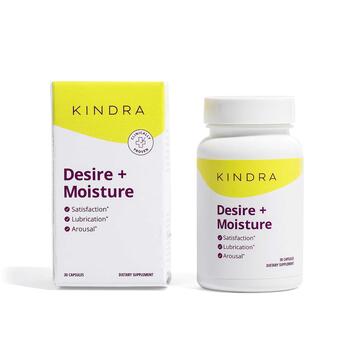
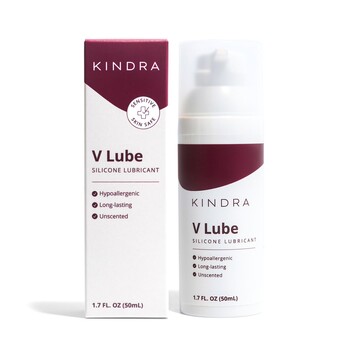
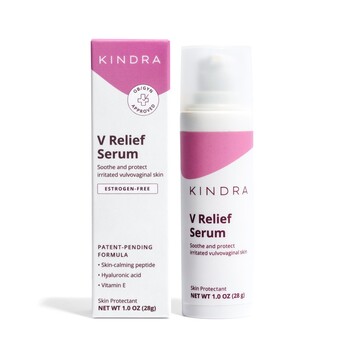
For in-the-moment use, Kindra's V Lube silicone lubricant is built for intimacy. For regular moisture maintenance, the Hydrate and Soothe Sexual Wellness Bundle pairs a moisturizer with complementary care. The V Dryness Relief Serum offers a soothing option for daily comfort, and the LibidoBoost Supplement offers support beyond just that single moment. Each works a little differently, so it's worth looking at the symptoms you're actually noticing and choosing from there.