Updated
What an Orgasm Is and What Happens in Your Body
An orgasm, sometimes called the Big O, is the peak of sexual arousal, the moment when built-up sexual tension and pressure release. The muscles in the genitals and anus contract rhythmically, about once every second for several seconds, while the brain releases dopamine and oxytocin, the chemicals tied to pleasure and connection, according to Cleveland Clinic's overview of orgasm.
The Cleveland Clinic also explains orgasm is the third of four phases in the body's sexual response, following desire and arousal and followed by a resolution phase where things ease back down. Heart rate, blood pressure, and breathing all climb through arousal and peak at orgasm, then return toward baseline during resolution, which is part of why many people notice a wave of relaxation right afterward.
What actually gets a body to that peak varies quite a bit from person to person, and that variation is one of the most useful things to understand about orgasm.
What Actually Helps You Reach Orgasm
For many women, the clearest answer is also the best supported one: direct clitoral stimulation, not penetration alone, is the factor most closely tied to orgasm during partnered sex.
Clitoral stimulation matters more than intercourse alone. In a nationally representative survey of 1,055 U.S. women ages 18 to 94, published in a 2017 Journal of Sex & Marital Therapy study, 18.4% said vaginal penetration alone was enough for them to reach orgasm. Separately, in the same study, 36.6% said they needed clitoral stimulation during intercourse in order to orgasm, and another 36% said clitoral stimulation wasn't required but made orgasm feel more intense. Those are three distinct findings from the same group of women, not three slices of one total, so they shouldn't be added together into a single figure.
The orgasm gap shows up in the data, not just in conversation. In a Canadian adults orgasm study of more than 2,300 people describing their most recent partnered sexual encounter, 86% of men and 62% of women reported reaching orgasm. Within that same group, women who received oral sex during the encounter reported orgasm 72.9% of the time, compared with 57.0% of women who didn't. Those numbers describe that particular Canadian sample rather than a universal rate, but the pattern tracks with the U.S. findings above: stimulation that directly engages the clitoris is strongly associated with whether women orgasm during partnered sex.
That's the evidence-backed reason intercourse by itself isn't the typical route to orgasm for most women, not a reflection of anyone's body or a partner's skill.
The Different Ways People Experience Orgasm
Orgasm doesn't look or feel the same for everyone, and that's expected as everyone and every body is different. After orgasm, men typically need a recovery window, often called a refractory period, before another orgasm is possible. How long that takes tends to shift with age. Many women don't have the same built-in recovery requirement. Some people can become aroused again within minutes and experience multiple orgasms in a row, while others need more time before another orgasm is possible. Both are completely normal.
What triggers an orgasm, how intense it feels, and how long it takes to get there varies from person to person, and even from one encounter to the next with the same partner. No single technique, toy, or position works the same way for every body, so any claim that one particular approach is the most reliable route to orgasm is offering more certainty than the evidence actually supports.
How to Check In With A Partner
Either partner can pause, slow down, or stop at any point, for any reason, whether or not an orgasm has happened yet. One person's arousal or enjoyment never obligates the other to keep going toward a specific outcome. Checking in as things unfold, not only at the start, keeps the experience something both people are actively choosing.
Not reaching orgasm, or not reaching it every time, is common, and it has more to do with how bodies and encounters vary than with anything either partner did.
Simultaneous orgasm, where both partners climax at the same time, is often treated like a goal, but it's not as common as people think. According to the nonprofit sexual health resource Our Bodies Ourselves pleasure, not orgasm, is the better measure of good sex, and there's no set rule for how many orgasms a person should have or how often. This applies to everyone, regardless of their relationship or body type.
What to Know When Orgasm Feels Out of Reach
If orgasm feels hard to reach, or hasn't happened yet, that's a more common experience than it might feel like in the moment, not a personal failing. According to Cleveland Clinic's overview of anorgasmia, an ongoing difficulty reaching orgasm despite arousal and enough stimulation, found that up to about 15% of women report never having experienced orgasm, and difficulty reaching orgasm tends to become more common with age.
A number of factors can contribute, including stress and the emotional or relationship context around sex. The most useful next step when this feels ongoing or distressing is talking with a healthcare provider. Care can include learning more about stimulation methods, counseling or sex therapy, and in some cases other options, and most people are able to orgasm again with the right support, though the timeline depends on the underlying cause.
Lube and Clit Vibrators Worth Exploring
Given how closely clitoral stimulation can help achieve an orgasm, these two categories are worth exploring:
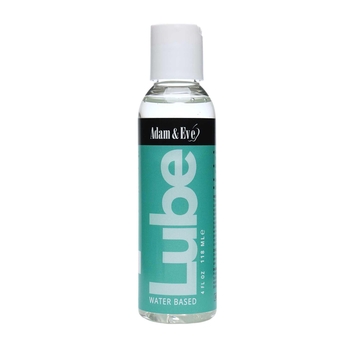
Lubricant can reduce friction and discomfort during any kind of stimulation, intercourse included. A water-based option, like the Adam & Eve Lubricant, works with most toy materials and barrier methods, and is a great staple to keep on hand.
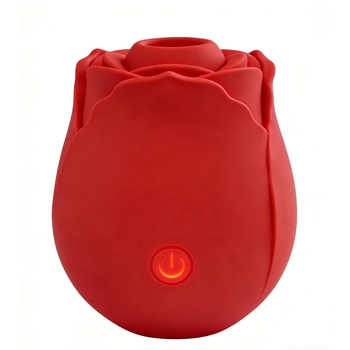
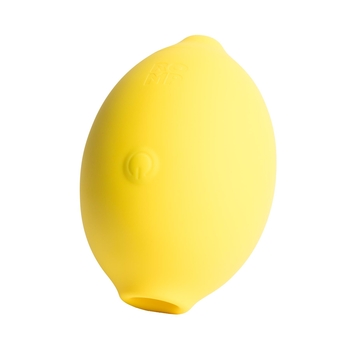
Clit vibrators are built to deliver direct, external stimulation to the clitoris. The Satisfyer Pro 2 and Eve's Blooms of Bliss are both clitoral vibrators designed around that kind of targeted stimulation. The Romp Lemon Crush, an air-pulse clitoral stimulator, is another alternative to direct contact for anyone who finds that sensation more comfortable or more intense.
Browse the full lubes and sexual wellness selection or the clit vibrators lineup to see all your options.