Updated
5 Ways Exercise Can Improve Your Sex Life
A regular workout can do more than build strength, boost energy, and improve your mood. It may also benefit your sex life! From supporting healthy blood flow to strengthening pelvic floor muscles, exercise can positively affect several aspects of sexual health. Research points to five key connections, although the benefits can vary depending on your body, overall health, and fitness routine.
1. Better Blood Flow Can Support Arousal
Healthy circulation plays an important role in sexual arousal. Exercise, especially activities that get your heart pumping, helps support cardiovascular health and blood flow throughout the body. That matters because sexual response depends partly on good circulation.
For men, the connection between aerobic exercise and erectile function is particularly well documented. A review of multiple studies found that regular aerobic activity improved erectile function across nearly all the trials examined. However, most of that research focused on men, with only two studies specifically examining women. While better circulation benefits overall health, more research is needed to understand its effects on women's sexual function.
2. Stronger Pelvic Floor Muscles May Improve Sexual Function
Your pelvic floor muscles do more than you might think! These muscles support the bladder and other pelvic organs and play a role in sexual function for people of all genders.Harvard Health notes that pelvic floor exercises, and pelvic floor physical therapy when it's needed, may improve premature ejaculation and erectile function in men, and can help with pain during intercourse in women. That makes pelvic floor work one of the few exercise types tied to a specific sexual outcome rather than a general fitness effect.
Harvard Health notes that pelvic floor exercises and, when appropriate, pelvic floor physical therapy may help improve erectile function and premature ejaculation in men. For women, pelvic floor therapy may also help address pain during intercourse. Regularly working these muscles can be a worthwhile addition to a broader fitness routine, particularly when targeting specific pelvic floor concerns.
3. Maintaining a Healthy Weight Can Support Hormone Balance
Exercise can also play a role in maintaining a healthy weight, which is important for hormonal health. In men, excess abdominal fat is associated with changes in testosterone levels because fat tissue can convert testosterone into estrogen.
The Obesity Action Coalition has highlighted research linking modest weight loss with improvements in erectile function. Some of the cases it reviewed reported benefits following approximately 10% body weight reduction over two months. That isn't a required target or a universal timeline, but it illustrates how changes in overall health and body composition may influence sexual wellness.
4. Feeling Good in Your Body Can Boost Confidence
Sexual wellness isn't just physical. Feeling comfortable and confident in your body can also influence how you experience intimacy. Regular exercise may help improve mood, reduce stress, build strength, and create a greater sense of body confidence.
The International Society for Sexual Medicine reports that regular physical activity is associated with improvements in several aspects of women's sexual health, including desire, arousal, lubrication, orgasm, satisfaction, and comfort during intercourse. These benefits may be connected to improved circulation, hormonal changes, and greater confidence.
5. Regular Exercise May Improve Overall Sexual Satisfaction
Sometimes, the biggest benefits come from putting everything together. Better cardiovascular health, improved stamina, stronger muscles, and greater confidence can all contribute to feeling better physically and emotionally.
Research suggests that regular physical activity is associated with better sexual function and satisfaction for many people. However, results aren't identical for everyone, and the research is stronger for some outcomes than others. Think of exercise as one way to support your overall sexual wellness rather than a guaranteed fix for any particular concern.
The takeaway? You don't need an intense workout routine to start supporting your health. Finding activities you enjoy and sticking with them consistently can benefit your body in plenty of ways, including your sex life.
The Exercise Habits That Make the Biggest Difference
Not sure how much exercise to aim for? General fitness recommendations are a great place to start. The CDC recommends adults get 150 minutes of moderate-intensity aerobic activity a week, plus muscle-strengthening activity on two or more days a week. That baseline covers overall health, and it overlaps with the activity levels studied in the sexual health research above.
Harvard Health highlights a large, 14-year study involving more than 22,000 men that found a connection between regular physical activity and a lower risk of erectile dysfunction. Men who ran about 90 minutes per week were 20% less likely to develop erectile dysfunction, while those who ran approximately two and a half hours per week were 30% less likely. Although these findings don't guarantee individual results, they suggest that staying active may help support long-term sexual health.
How Different Types of Exercise Help in Different Ways
Different types of exercise offer different benefits, so finding the right mix can help you support your sexual health and fitness goals.
Aerobic exercise, like running, cycling, swimming, or brisk walking, carries the strongest evidence of the group, particularly for the erectile-function benefit described above. It's also the exercise type most directly tied to circulation, which underlies arousal for every body.
Strength training supports a healthy body composition, which ties into the hormone-balance mechanism, since body fat and hormone levels are connected, especially in men. Strength training works well alongside aerobic activity rather than replacing it.
Pelvic floor exercises, often called Kegels, target the muscles involved in orgasm intensity, ejaculatory control, and comfort during intercourse directly, which is why they stand apart from general fitness rather than folding into it. If you want to give your pelvic floor some extra attention, check out our dedicated guide to Kegel exercises for tips on finding the right muscles and getting started.
The best workout is the one you enjoy enough to keep doing! Staying active can support body confidence, overall well-being, and sexual satisfaction, so find an activity that makes you feel good and stick with it.
Knowing When You're Overdoing It
You don't need a certain body type, fitness level, or fancy gym membership to enjoy the benefits of exercise. Start where you are, choose activities you enjoy, and build a routine that feels good for your body. The goal is to support your own health, confidence, and well-being. After all, feeling good in your body should be about you, not meeting someone else's expectations.
Consistency matters more than intensity. Pushing training volume far past what feels sustainable doesn't add a bonus benefit, and very heavy training loads have been linked to lower desire in some athletes rather than a higher one. More is not automatically better here, and a sustainable routine beats an extreme one.
If a sexual health concern is ongoing or already diagnosed, pair any exercise habit with care from a clinician who can look at your specific situation. Guides on what causes ongoing erectile difficulties and what causes premature ejaculation go deeper into those specific conditions and when a conversation with a professional is worth having.
What People Get Wrong About Exercise and Sex Drive
One popular idea is that sweating during a workout releases attraction-boosting chemicals that make you more appealing to other people. No human sex pheromone has ever been scientifically confirmed, so that part of the exercise-and-attraction story doesn't hold up. What does hold up is something more grounded: exercise supports your mood, circulation, and confidence.
A second misunderstanding is expecting a fast, guaranteed result, as if one workout, or one week of consistent exercise, will visibly change your sex life. The evidence above describes an association seen across many people studied over time, not a predictable timeline for any one person. A habit built over weeks and months, not a single session, is what the research is actually describing.
Ready to Try a Kegel Trainer?
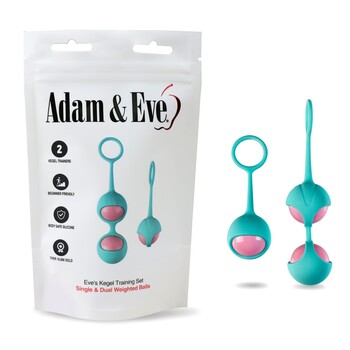
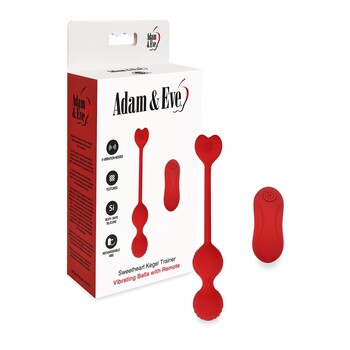
Pelvic floor exercises are simple to start without any equipment, but a dedicated trainer can make the habit easier to build into a routine. Adam & Eve carries two options built for pelvic floor training: Eve's Kegel Training Set and the Adam & Eve Sweetheart Kegel Trainer with Remote. Either one gives you a simple way to stay consistent with the habit. Browse the full Ben Wa Balls selection at Adam & Eve to compare options and find the one that fits how you like to train.