Updated
What is the Curly Q Position?
The Curly Q is a partnered, face-to-face sex position where one partner lies on their back with their knees drawn toward their chest while the other straddles them, sitting on their raised lower legs. The partner underneath rests their feet against the top partner’s back for support, while the partner on top controls the pace and movement.
The name comes from the curled-up shape of the partner underneath. It’s a modern descriptive name used in our Kama Sutra positions rather than a translated classical term.
How the Curly Q Feels
The Curly Q creates close body contact and a pronounced hip angle that can change the sensation and depth of penetration. Rather than relying on deep thrusting, the position lends itself to smaller rocking and grinding movements. The partner on top has more control over the pace and angle, so communication helps both partners find a comfortable rhythm.
Flexibility, Balance, and Comfort
The Curly Q requires some flexibility through the hips and knees for the partner underneath, while the partner on top needs balance and enough leg and core strength to maintain a stable position. Pillows can help support the body, and adjusting the angle or switching positions can ease strain. Neither partner should feel they need to push through pain or discomfort.
How to Do the Curly Q Position: A Step-by-Step Guide
Getting comfortable in the Curly Q starts with taking your time and making sure both partners feel supported. Rather than trying to get into position all at once, make small adjustments as you go.
Start by getting the leg positioning comfortable, then work on supporting the hips and finding a stable position for both partners. Once you're settled, adjust pillows or your positioning as needed to reduce pressure and make the position easier to maintain. Keep communicating throughout, and if anything feels uncomfortable or causes pain, pause and readjust before continuing.
- Whoever is going underneath lies down first and draws the knees up toward the chest with nothing resting on them yet. Find the fold that feels easy on its own, because that's the fold you'll be holding once there's weight on it.
- The one on top straddles from a standing or kneeling start, then lowers onto the shins gradually instead of sitting down in one motion. Weight that arrives slowly leaves room to say lower or stop while it still matters.
- Once the seat feels settled, the partner underneath places both feet flat and wide against the top partner's back, soles rather than toes, so there's a real brace behind the seat.
- From up top, reach both arms back for the partner underneath to hold. With the feet braced behind and the hands held in front, there's finally enough stability to move.
- Adjust hip height before you adjust anything else. When this position feels like far more work than it should, hip height is usually the reason, and a firm wedge under the lower back and hips does more about it than effort ever will.
Coming out works in reverse, so release the hands, bring the feet down, lift the weight off, and then unfold the legs.
Before you get started, agree on how you’ll shift positions or stop if needed. Since you’ll be supporting each other’s weight, having a plan makes it easier to adjust safely and helps both partners feel more comfortable.
How to Adjust the Curly Q for Better Comfort
Small adjustments to hip height and knee position can make the Curly Q more comfortable for both partners. Placing a firm wedge beneath the hips of the partner underneath can provide extra support and reduce the effort needed to maintain the position. Keeping the knees slightly less folded can also create a gentler angle and allow for more comfortable positioning. Experimenting with these adjustments can help partners find a setup that works for their bodies, flexibility, and height differences.
A few simple changes can improve comfort, too. A pillow under the head and shoulders of the partner underneath can make it easier to look up without straining the neck. Placing a folded blanket beneath the shins can provide extra cushioning and reduce pressure on the knees and lower legs. Sometimes, these small adjustments are all it takes to make the position more comfortable to maintain.
If the deep knee fold is the sticking point, other positions give you the same on-top control without it. The Thigh Master keeps the same grinding motion and the same lead for the partner on top with the legs flat underneath. The Winged Swan sits at the easy end of the effort scale, face to face with both of you flat, if close grinding contact is the part you're really after. For depth with your partner leading instead, the Piledriver hands the lead over, and a rear-entry position such as the Jumping Rabbit gives you a deep angle with no upright seat to hold at all. There's no right or wrong choice among them, just what is most comfortable for you and your partner.
Comfort, Consent, and Knowing When to Stop
The Curly Q requires some positioning and physical support, so it helps to talk about comfort, boundaries, and expectations before getting started. Discuss what feels good, what you want to avoid, and how you'll let each other know if something needs to change. Consent isn't a one-time conversation, either. Utah State University's consent guidance emphasizes that consent must be informed, freely given, and ongoing, meaning either partner can change their mind or stop at any point. Keep checking in as you go, and remember that changing positions or calling it quits is always okay.
Comfort matters just as much as consent. Supporting another person's weight while the legs are folded can put pressure on the knees and hips, while maintaining the position may cause muscle fatigue or discomfort. If either partner experiences joint pain, numbness, or tingling, ease out of the position rather than trying to push through it. Adjust pillows and positioning as needed, and take a break if something doesn't feel right. If penetration becomes uncomfortable or the angle feels off, pause and reposition before continuing. The partner receiving penetration should feel comfortable communicating when they need less depth or a change in angle.
If you're using condoms, lubricant can also help reduce friction and make sex more comfortable. With latex condoms, choose a water-based or silicone-based lubricant, as oil-based products can weaken latex and increase the risk of breakage. If a condom breaks, stop and replace it before continuing. And if pregnancy, a recent surgery, an existing injury, or persistent pain raises concerns about whether this position is suitable, check with a qualified healthcare professional for individualized guidance.
Common Problems With the Curly Q Position and How to Fix Them
Many challenges with the Curly Q position come down to positioning, stability, and physical support rather than effort alone. One common issue is difficulty maintaining the position for more than a short time. Without adequate support, the partner on the bottom may need to engage their muscles continuously to maintain the hip position while supporting their body weight.
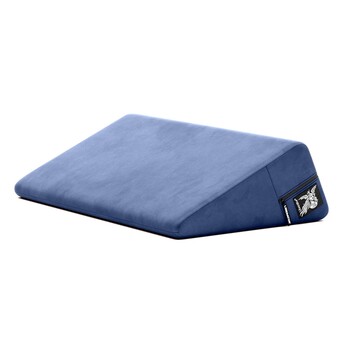
A firm positioning wedge placed beneath the lower back and hips can help reduce the effort required to maintain the position. Using two stable points of support can also improve balance and make the position more comfortable to sustain.
The other usual snags sort out quickly:
- You keep sliding off the shins. The seat isn't braced yet, so get the feet flat against the back and the arms reached back to be held, both at once rather than one or the other.
- The knees won't fold that far. Raise the hips and take a shallower tuck. If the fold still hurts with nothing resting on it, this one isn't for you, and the Thigh Master gives you the same control with the legs flat.
- It goes dry fast. Grinding concentrates friction in one spot, with little in-and-out motion to spread lube around, so reapply early and be generous about it.
- Nothing's reaching where you want it. Both of the top partner's hands are busy bracing, so a small vibrator is the practical answer rather than trying to free a hand.
Muscle fatigue can occur when maintaining an upright position, and looking upward for extended periods may strain the neck. A pillow supporting the head and neck of the partner underneath can help improve alignment and comfort. Feel free to change positions whenever needed; there’s no reason to push through discomfort. Often, a small adjustment to the setup, such as adding a pillow or repositioning for better support, can make the experience more comfortable.
Wedges, Positioning Pillows, and Lubricants for Greater Comfort
The single most useful thing you can add to this position is height under the hips. A firm foam wedge holds its shape under body weight where a stack of bed pillows can flatten out, and it's that steady lift that turns a position you hold for sixty seconds into one you can actually settle into. Adam & Eve's position aids and wedges include firm foam shapes made to hold a body at an angle, such as the Liberator Wedge, and our guide to using a Liberator wedge walks you through where to place it.
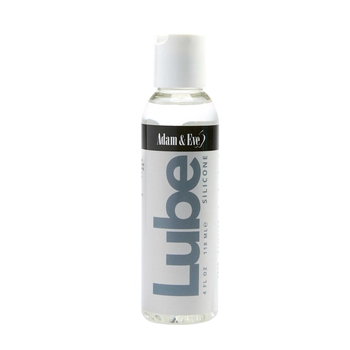
Lubricant can also help reduce friction and make this position more comfortable. Water-based lube is a good choice with latex condoms, while silicone lube lasts longer and may be helpful during extended periods of friction. If you're using a silicone sex toy, check the manufacturer's guidance before using silicone-based lube, as it may damage some silicone materials.
The top partner's hands stay busy, so a toy is what adds direct stimulation here. A bullet vibrator is small enough to hold or tuck in without getting in the way, and a wearable couples vibrator leaves both hands free for bracing. Warm water and mild, unscented soap, or a toy cleaner, before and after each use keeps whatever you choose ready for next time.