Updated
What Foreplay Is and Why It Matters
Foreplay is all the little (and sometimes not-so-little!) things you and your partner do to build arousal, connection, and anticipation before sex. And it's about more than physical touch. A flirty text earlier in the day, a lingering kiss, a relaxing massage, or an honest conversation about what you both enjoy can all be part of the fun.
According to the Sexual Medicine Society of North America, foreplay helps kick-start the body's desire phase and matters in its own right, not just as a lead-in to sex. It's also a chance to feel closer, tune in to each other, and enjoy the connection without focusing solely on what comes next.
Interestingly, the Society also notes that men and women tend to have similar preferences for how long foreplay lasts, even when their preferences for intercourse duration differ. In other words, there's no universal formula for getting the timing right. Some people love a slow, drawn-out buildup, while others prefer something shorter or different kinds of touch.
The best approach? Talk about what you enjoy, stay curious about what feels good for your partner, and figure out what works for both of you. Whether you want more foreplay, a slower pace, or a particular kind of touch, those conversations can be part of the fun, too.
Building Anticipation and Feeling Confident
Start before you touch. Anticipation is one of the easiest ways to make foreplay feel more exciting, and it can begin hours before you're alone together: a suggestive text, cooking dinner side by side, music while you get ready, or simply talking about what you're looking forward to later. Keep it loose and personal to the two of you. Letting the lead-up become part of the experience often makes the rest of it feel better.
Dress for how you want to feel. For some people, confidence comes from how they look and feel in their own skin that night. Trying on a new lingerie set or an outfit you genuinely feel good in can be part of foreplay itself, and a way of building your own anticipation as much as your partner's. Choose whatever makes you feel most like yourself, whether that's delicate, bold, or simple and comfortable.
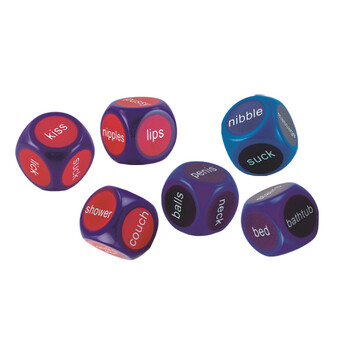
Break a rut on purpose. If the same routine has started to feel automatic, a structured nudge can help more than waiting for inspiration to strike. A game like Monogamy: A Hot Affair With Your Partner or a quick round with Hot and Spicy Dice hands you both ready-made prompts, making variety easy to reach for anytime.
Kissing, Touch, and Massage Techniques
Kissing sets the tone. Starting soft and slow gives you both room to read each other before picking up the pace. Pay attention to how your partner kisses back, whether they lean in for more or ease off slightly, and let that guide whether you speed up, slow down, or stay exactly where you are.
Touch doesn't have to go from zero to a hundred to feel good. Start gently and build from there, paying attention to what you both enjoy along the way. If you're thinking about trying firmer pressure, exploring more sensitive areas, or adding a playful pinch or gentle bite, check in before turning things up. A quick “Does this feel good?” or “Want a little more pressure?” keeps the experience comfortable, fun, and something you're figuring out together.
Massage benefits from working outward in. Starting at the extremities, hands, feet, shoulders, forearms, before working toward the center of the body gives a partner time to settle into being touched, and it builds its own kind of anticipation along the way. Check in on pressure as you go, since what feels good can shift from one stroke to the next, and pressure that feels perfect for one person can feel entirely different for someone else.
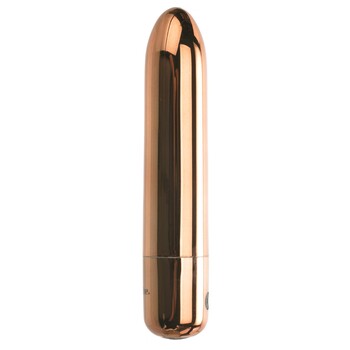
If you want to add a little extra sensation while keeping the pace gentle, a bullet vibrator like Eve's Copper Cutie can trace lightly over skin.
Consent, Comfort, and Checking In
One of the best parts of foreplay is discovering what you both enjoy, and a little communication can make that even better. Consent isn't just a conversation you have at the beginning; it's something you share along the way. UW Tacoma's Sex and Gender-Based Violence Prevention program encourages three simple habits: ask before trying something new, check in as you go, and pay attention to how your partner seems to be feeling. Sometimes, a quick “Is this okay?” or “Do you like that?” is all it takes to make sure you're both enjoying the moment.
It's also worth remembering that not everyone will speak up when something doesn't feel right. Your partner might get quiet, seem tense, or pull back a little. That doesn't automatically tell you what's going on, but it's a good reason to pause and check in rather than assume everything is fine. As UW Tacoma emphasizes, silence isn't the same as consent.
And here's the reassuring part: checking in doesn't have to interrupt the mood. A gentle question, a quick pause, or a change of pace can feel completely natural. Maybe you keep going, try something different, or decide to take a break. There's no wrong answer. What matters is that you both feel comfortable, heard, and free to say what you want. That's how you make room for intimacy that feels good for everyone involved.
How Long Should Foreplay Really Last?
Here's the good news: there's no magic number when it comes to foreplay. Some nights you might want to take your time, and other times you might prefer a quicker lead-in. What matters is finding a pace that feels good for both of you.
Interestingly, research suggests many couples would actually like foreplay to last longer than it does. In a 2004 study, Miller and Byers found that both men and women in the heterosexual couples they studied spent less time on foreplay than they said they wanted. So if you've ever wished you could slow things down a little, you're certainly not alone!
There's also a common assumption that women naturally take longer to become aroused than men. But research tells a more nuanced story. A McGill University report on thermal-imaging research found that men and women in the study showed early signs of arousal within a similar time frame and reached peak arousal at statistically similar points. In other words, there's no simple rule that one partner will always need more time than the other.
So, what's the secret to enjoying foreplay a little more? Try making room for it instead of squeezing it in between everything else. Set aside time to relax, connect, kiss, touch, and see where the moment takes you. You don't need a timer or a perfectly planned routine. Sometimes, simply taking the pressure off and giving yourselves permission to slow down makes all the difference.
The bottom line? Forget about how long foreplay is supposed to last. Talk about what you both enjoy, give yourselves time to explore, and find a rhythm that works for the two of you.
Set the Mood With Massage Oils and Candles
Want to make more time for foreplay without feeling like you need to plan an elaborate romantic evening? Start small. Dim the lights, put your phones aside, and give yourselves a little space to relax and reconnect. Sometimes, a few thoughtful touches are all it takes to shift the mood and make time together feel a little more special.
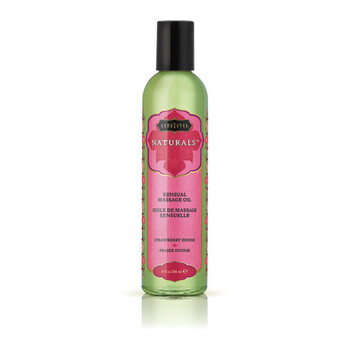
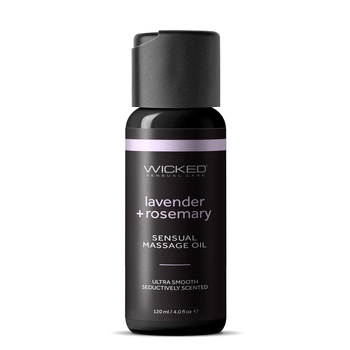
A massage can be a great way to ease into things, especially when you're not rushing toward what comes next. Massage oils, such as Wicked Sensual Massage Oil or Kama Sutra Naturals Massage Oil, add glide to your hands and invite you both to slow down and enjoy the sensation. Add a candle or two for a softer glow, and suddenly, even a simple massage can become part of the fun.
There's no need to overthink it or get every detail just right. The idea is to make room for touch, connection, and a little playful exploration without putting pressure on where the moment should lead.
If you'd like a little inspiration, browse Adam & Eve's sensual massage and candles collection for oils, candles, and other mood-setting finds. Choose what sounds enjoyable to both of you, then relax and let the moment unfold naturally.