Updated
Grooming Down There Is a Personal Choice
When it comes to intimate grooming, there’s no one right way to do things. You might prefer a clean shave, a little trimming, waxing, or laser hair removal. You might also be perfectly happy leaving your pubic hair as it is. It’s your body, and the choice is entirely yours.
And here’s something worth remembering: pubic hair removal isn’t a hygiene requirement. As the Center for Young Women's Health explains, removing pubic hair is a personal preference, not something you need to do for your health. In other words, you don’t have to shave, wax, or trim to be clean, and there’s no need to follow anyone else’s idea of how your body should look.
If you do prefer a little grooming, knowing how to care for your skin and use the right techniques can help make the experience more comfortable. Let’s look at some simple ways to get started.
How to Prep, Trim, and Shave Safely
A few simple steps can help you shave more comfortably, whether it’s your first time or part of your regular routine:
- Soften the skin and hair first. A warm shower, or a few minutes with a warm, damp washcloth, makes hair easier to cut and skin less reactive.
- Trim long hair before you shave. Use a clean, sharp pair of scissors or a trimmer to bring hair down to a shorter length first. Skipping this step is one of the more common ways a razor gets pulled and clogged.
- Use a fresh, sharp razor. A dull blade tugs at hair instead of cutting it cleanly, which raises the odds of irritation.
- Shave in the direction the hair grows, not against it, and avoid going over the same patch of skin more than once or twice.
- Moisturize afterward. Skin around the vulva, scrotum, or penis has more folds and curves than skin on your arms or legs, so it benefits from a gentle, fragrance-free lotion once you're done.
There’s a good reason to follow these steps: the American Academy of Dermatology recommends similar techniques to help prevent razor burn, bumps, and nicks.
Shaving, Trimming, Waxing, and Going Natural
Once you've decided grooming is something you want to do, the next decision is how much to take off and how often.
Shaving removes hair at the skin's surface with a razor. It's quick and inexpensive, but regrowth shows up within a day or two, and it's the method most likely to cause razor bumps or ingrown hairs, which happen when a cut hair curls back into the skin instead of growing straight out. According to the Cleveland Clinic, softening hair before shaving, shaving with the grain, using a shaving gel or cream, and shaving less often all help reduce how often this happens. Switching from a blade to an electric trimmer is another option the Cleveland Clinic suggests for anyone who gets bumps regularly.
Trimming shortens hair with scissors or an electric trimmer without removing it completely. It carries a lower risk of nicks or ingrown hairs than shaving, since the hair isn't cut down to skin level, and it's a reasonable middle ground for anyone who wants less length without a fully bare result.
Waxing and laser hair removal pull hair out from the root or target the follicle directly. Waxing is typically done at a salon or with an at-home kit, and laser treatment involves a series of sessions at a provider's office. Both can cause temporary redness or sensitivity right after a session.
Going natural means you can leave your pubic hair just as it is. Removing it isn’t necessary for good hygiene, so there’s no need to groom unless you want to.
There’s no right or wrong way to handle intimate grooming. Shaving is a simple, affordable option, but it does require regular upkeep. Trimming lets you tidy things up without removing all your hair, while waxing and laser hair removal are options if you prefer a different approach to maintenance. And if you’d rather leave your pubic hair alone, that’s perfectly fine, too. It all comes down to what feels comfortable for you and fits your preferences.
Your Body, Your Choice, and a Few Things to Know
Intimate grooming should be about what makes you feel comfortable, not what someone else expects of you. Whether you prefer to shave, trim, wax, or leave your pubic hair alone, the decision is yours. And if grooming is something you and your partner enjoy doing together, that's fine, too—as long as it's something you both want.
It's also worth knowing that caring for the skin around your genitals is different from cleaning inside the vagina. Shaving, trimming, and gently washing the external area are all part of personal grooming. Vaginal douching, on the other hand, isn't recommended. The Office on Women's Health explains that douching can disrupt the vagina's natural balance of bacteria and is associated with a higher risk of bacterial vaginosis.
If you're concerned about unusual odor, discharge, or irritation, don't try to solve the problem with extra washing or intimate grooming products. Check with a healthcare professional to find out what's going on and what might help.
What to Expect After You Groom
Your skin might be a little sensitive after grooming, especially if you've shaved or waxed. Some redness, mild irritation, or a few small bumps can happen and usually clear up within a day or two. Gentle cleansing, a fragrance-free moisturizer, and avoiding tight clothing that rubs against the area can help keep your skin comfortable while it settles.
If irritation doesn't improve after several days, or you notice worsening redness, swelling, warmth, or fluid coming from the affected area, it's a good idea to check with a healthcare professional. A little temporary irritation can be part of grooming, but symptoms that persist or get worse deserve attention.
Shop Shave Cream and Aftercare Essentials
The right products can help make intimate grooming and aftercare a little easier. Adam & Eve's Bath and Body collection has several options to consider, whether you're getting ready to shave or looking for ways to care for your skin afterward.
- Shave creams: Coochy GoGo CoCo Shave Cream is an option to explore when you're ready to shave.
- After-shave care: Coochy Rash Rescue After Shave is designed for use after shaving.
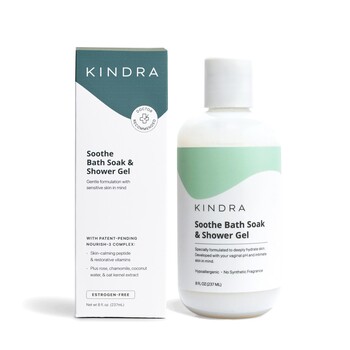
- Intimate cleansing: Kindra Soothing Bath Soak & Shower Gel offers an option for your external intimate care routine.
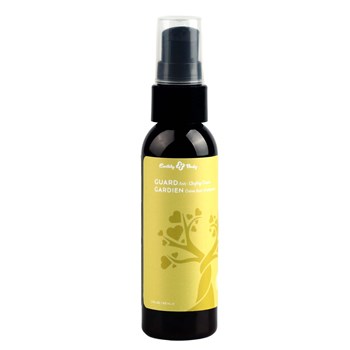
- Chafing protection: Earthly Body Guard Anti-Chafing Cream is another option to consider if friction is a concern.
You don't need an elaborate lineup to take care of yourself. Start with the products that suit your grooming habits and preferences, and explore the Adam & Eve Bath and Body collection to find options that work for your routine.