Updated
Menopause and Intimacy: Understanding What's Changing
There's a lot of talk about hot flashes and sleep struggles during menopause. What doesn't get nearly enough attention? How menopause can affect intimacy.
For many women, intimacy starts to feel different during this stage of life, and not necessarily because they've lost interest in their relationships. Physical changes, shifting hormones, and emotional factors can all play a role. Sex may become less comfortable, desire may fluctuate, or your body may simply need more time to respond. If you've noticed these changes, you're not imagining them, and you're certainly not alone.
It is common. And more importantly, there are ways to navigate it.
Intimacy doesn't have to end, and it doesn't have to feel exactly as it did before menopause. Understanding what your body needs now, whether you're figuring that out on your own or with a partner, can help you find new ways to feel comfortable and connected. It's a conversation more women deserve to feel comfortable having, not something they should have to quietly manage alone.
Why Intimacy Can Change During Menopause
As estrogen levels decline, the tissues of the vagina and vulva can become thinner, drier, and less elastic. These changes can make intimacy uncomfortable or even painful in ways it never was before.
Hormonal changes aren't the whole story, either. Menopause can bring sleep disruptions, stress, mood changes, and fatigue, all of which can affect desire and connection. For some women, a lower libido is the biggest frustration. For others, physical discomfort is the main hurdle. Some experience a combination of both.
Whatever you're experiencing, you don't have to simply put up with it. Understanding what's changing is a helpful first step toward finding options that work for you.
Hormones, Vaginal Dryness, and Changes in Desire
One of the most common concerns women experience during menopause is vaginal dryness. It might sound like a minor inconvenience, but it can have a much bigger impact on everyday comfort and intimacy.
As estrogen levels decline during perimenopause and menopause, the tissues of the vagina and vulva can become thinner, drier, and less elastic. The Office on Women's Health and The Menopause Society recognize these changes as common effects of declining estrogen. For some women, this means needing more time to become aroused. For others, it can mean irritation, burning, or painful sex that makes intimacy feel more difficult than it used to.
These physical changes can also affect desire. When you start anticipating discomfort, it's understandable to feel less interested in sex or less confident in your body. That doesn't necessarily mean your attraction to your partner has changed. Sometimes, the physical experience itself is what needs attention.
Hormones aren't the only factor, either. Sleep disruptions, stress, mood changes, and fatigue can all affect libido during this stage of life. If you're in perimenopause, symptoms may fluctuate from month to month, making it even harder to predict how you'll feel. With several factors at play, there's no single experience of menopause or one explanation for every change in desire.
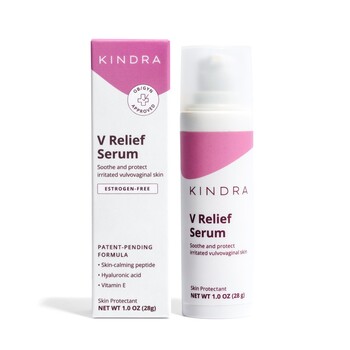
The good news is that discomfort doesn't have to become your new normal. Vaginal moisturizers used regularly can help ease dryness, while lubricants used during sexual activity can reduce friction and make intimacy more comfortable. Some women may also benefit from other treatments, depending on their symptoms. A hormone-free vaginal renewal cream may be one option to explore, but it's worth checking the product's intended use and discussing persistent or painful symptoms with a healthcare provider.
There's an emotional side to these changes, too. When sex becomes uncomfortable or unpredictable, it's easy to lose confidence, feel disconnected from your body, or worry about when discomfort might happen again. Some couples may even stop initiating intimacy because they're unsure how to navigate the changes.
You don't have to ignore those feelings or assume intimacy will always be this way. Menopause is a transition, and understanding what's happening is a helpful first step toward finding what works for you. Whether that means exploring comfort products, talking openly with your partner, or seeking medical advice, you deserve support in maintaining the kind of intimacy that feels right for you.
Vaginal Moisturizers, Lubricants, and Other Comfort Options
If vaginal dryness is making intimacy uncomfortable, lubricants and vaginal moisturizers are two helpful over-the-counter options to consider. They both help ease discomfort, but they work in different ways.
Lubricants offer relief in the moment. Applied right before or during sex, they reduce friction and can help ease the stinging or soreness that dryness sometimes causes. Research reviews have examined their role in relieving vaginal discomfort. Vaginal moisturizers, on the other hand, are designed for regular use, not just during sex. Applied every few days, depending on the product's instructions, they help maintain moisture over time and can provide longer-lasting relief between applications.
Both options are recommended as a starting point for many women experiencing mild to moderate vaginal dryness, according to The Menopause Society's clinical guidance. If you mainly notice discomfort during sex, a lubricant may be all you need. If dryness bothers you throughout the day, a regularly used vaginal moisturizer may be more helpful. You can also use both if that works best for your needs.
There are other ways to make intimacy more comfortable, too. Giving yourself more time to become aroused and allowing for a longer warm-up before penetration can help your body respond at its own pace. You don't have to rush or push through discomfort. If you'd like to understand more about the physical changes behind vaginal dryness, the science of vaginal health explores the topic in greater detail.
How to Talk to Your Partner About Menopause and Intimacy
Talking about changes in intimacy isn't always easy, especially when you're still figuring out what's happening yourself. But you don't have to navigate these changes alone, and you get to decide when and how much you're ready to share.
If intimacy has become uncomfortable, your partner may not fully understand why. They might interpret less frequent sex as a loss of interest when the real issue is physical discomfort related to menopause. Explaining what's happening can help clear up misunderstandings and make it easier to find solutions together.
When you're ready to talk, a few simple approaches can help:
- Be open about what you're experiencing. You don't need to have all the answers. Simply explaining that intimacy feels different or that you're experiencing dryness or discomfort is a good place to start.
- Explain that physical changes are part of menopause. Hormonal changes can affect comfort, arousal, and desire. Letting your partner understand what's happening can help them see that it isn't necessarily about attraction.
- Talk about what feels good now. You might need more time to become aroused, a different position, more non-penetrative touch, or a lubricant to help reduce friction. Share what feels comfortable and what doesn't, rather than feeling pressured to push through discomfort.
- Look for solutions together. Treating the conversation as a chance to explore what works for both of you can help you feel more connected, rather than focusing on what's changed.
- Keep checking in with each other. Your needs and comfort levels may change over time, so it's okay to revisit the conversation as you figure out what works best.
You don't have to discuss everything at once, and you don't owe anyone an explanation before you're ready to give one. The goal is to make room for honest conversations, mutual understanding, and intimacy that feels comfortable for both of you.
When to Talk to a Healthcare Provider About Menopause and Intimacy
Vaginal moisturizers, lubricants, and a few adjustments to your routine can go a long way toward making intimacy more comfortable during menopause. But if you're still experiencing discomfort, you don't have to keep trying to manage it on your own.
Consider talking with your healthcare provider if you experience ongoing vaginal dryness, pain during sex, or changes in sexual desire that concern you. You should also seek advice if over-the-counter products aren't providing enough relief. Having less interest in sex as you get older isn't automatically a medical problem, but if the changes are affecting your comfort, confidence, or quality of life, it's worth discussing your options.
You don't need to wait until symptoms become severe to bring them up, either. The Menopause Society notes that women don't always bring up vaginal and urinary symptoms associated with menopause during medical appointments, which means some concerns may go unaddressed. You don't have to wait for your healthcare provider to ask, though. Simply explaining what you've noticed and how it's affecting you is a good first step toward finding relief.
And if you'd like to learn more before your appointment, Adam & Eve'sAdam & Eve's guide to vaginal dryness offers additional information to help you better understand your symptoms and prepare questions for your provider.
Comfort Products to Help You Enjoy Intimacy During Menopause
Intimacy may feel different during menopause, but that doesn't mean it has to become less enjoyable. From lubricants that ease friction to products designed to support comfort and exploration, there are options to help you discover what feels good for your body now.
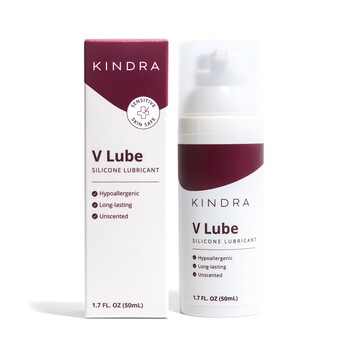
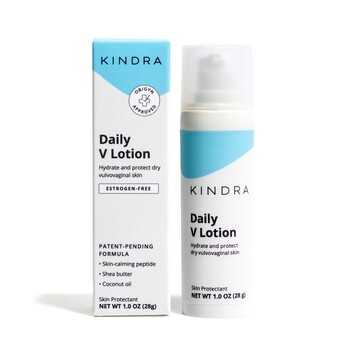
If you're looking for a place to start, Kindra The Daily V Hydrating Lotion is an estrogen-free, fragrance-free, pH-balanced vaginal moisturizer built for regular use, and Kindra V Lube is a silicone-based lubricant that's pH-neutral, paraben-free, fragrance-free, and compatible with latex condoms. Used the way they're designed, one for daily comfort and one for the moment itself, they cover both of the comfort categories described above.
If you want a broader starting point, Adam & Eve's beginner's guide to intimate wellness is a useful next stop, and the full sexual health guide library covers related topics in more depth. When you're ready to look at options yourself, you can shop lubes and sexual wellness at Adam & Eve.