Is a PVC Dildo Body-Safe?
PVC can be used in sex toys, but not all PVC toys have the same characteristics. The key questions are whether the PVC is rigid or softened and what additives were used to make it flexible.
Rigid PVC is hard and has a sealed surface that can be cleaned more easily. Soft PVC is flexible because plasticizers have been added to the material. Many soft PVC toys are considered porous or difficult to clean thoroughly, so they require more care than nonporous materials such as silicone, glass, or stainless steel.
Phthalates are one group of plasticizers that can be found in some flexible PVC products. A 2023 study from researchers at Duke University and Appalachian State University found phthalates in four adult products it tested, including a PVC set of anal beads. The study was small, so its findings can't be used to determine how common phthalates are across the entire adult-toy market, but they do demonstrate that the issue is worth considering when choosing a soft PVC product.
It's also important to understand that regulations for children's products don't necessarily apply to adult sex toys in the same way. For example, federal limits on certain phthalates in children's toys and child-care articles aren't a general safety standard for adult products. That's one reason it's useful to look beyond broad terms such as “body-safe” and check the specific material information provided by the manufacturer.
If you already own a soft PVC toy, you can use a condom as a barrier and follow the manufacturer's cleaning instructions carefully. Allow the toy to dry completely before storing it, and replace it if the material becomes sticky, damaged, or otherwise changes noticeably.
If you'd prefer a nonporous material that's generally easier to clean, options include silicone, borosilicate glass, stainless steel, and ABS plastic.
How to Tell a Porous Toy From a Nonporous One
You can't reliably tell whether a toy is porous just by squeezing it or looking at its texture. Some porous materials are soft and flexible, but so is silicone, which is generally nonporous. A hard toy isn't necessarily nonporous, either. The best place to start is the material listed by the manufacturer.
Materials such as jelly, TPE, TPR, and some types of rubber or PVC can be porous. Silicone, glass, and stainless steel are generally nonporous. If a product description uses a vague term such as “realistic” or “rubber-like” without identifying the material, check with the manufacturer rather than assuming what it's made from.
Porous materials have microscopic spaces that can absorb or retain fluids and other substances. Nonporous materials have a sealed surface that doesn't absorb those substances, making them generally easier to clean thoroughly.
Research has also found differences between porous and nonporous materials. In a small study from researchers at Indiana University School of Medicine, HPV was detected on a porous thermoplastic elastomer vibrator more often after cleaning than on a nonporous silicone vibrator. The study was small, so it shouldn't be used to predict the performance of every toy or material, but it illustrates why nonporous materials are often preferred when easy cleaning is a priority.
The toy's condition can provide additional clues. A toy that becomes unusually sticky, develops a persistent odor, changes texture, or shows visible deterioration may be breaking down and should be replaced. These signs can't tell you whether a material is porous, but they can indicate that the toy is no longer in good condition.
Understanding Common Material Claims:
Terms such as “body-safe,” “hypoallergenic,” and “medical-grade” can be useful, but they don't all mean the same thing. “Body-safe” isn't a regulated term, so look for the specific material rather than relying on that phrase alone. “Hypoallergenic” means a product is less likely to cause an allergic reaction, not that a reaction is impossible. “Medical-grade” describes a material or specification used in medical applications and isn't, by itself, a guarantee about the finished toy.
If you can't confirm what a toy is made from, using a condom over it can provide a barrier between the material and your body. This can also be useful when sharing a toy. Change the condom between partners and between different areas of the body, and clean the toy according to the manufacturer's instructions.
How PVC, Silicone, Glass, and Metal Compare
Once you understand the difference between porous and nonporous materials, it becomes easier to compare your options. Each material has its own characteristics, care requirements, and feel, so the right choice depends on what you're looking for.
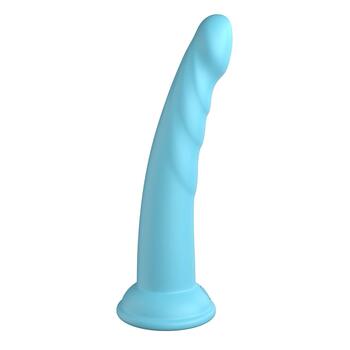
Silicone is a popular nonporous material that's easy to clean and maintain. It doesn't absorb fluids or odors, and its flexibility can provide a softer, more yielding feel than rigid materials such as glass or stainless steel. Silicone is also durable when properly cared for. Some Adam & Eve silicone dildos are described as hypoallergenic and phthalate-free. “Hypoallergenic” means less likely to cause an allergic reaction; it does not mean that a reaction is impossible. Always check the individual product description for specific material and care information. For a great starter option, the Dillio Platinum Slim 7 Inch Silicone Dildo is perfect for a first choice.
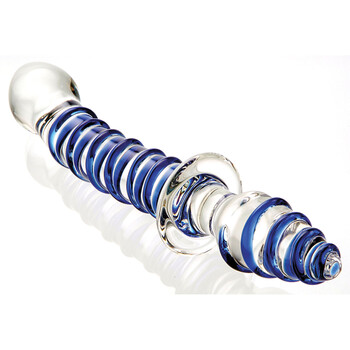
Borosilicate glass is the same family of glass used in oven-safe bakeware, which is how we describe our glass dildos: made from the same extra-strong glass as popular bakeware, nonporous, and safe when used for the intended purpose. Its real advantage is temperature. Borosilicate expands very little when heated or cooled, so it handles a warm or cool water bath without the cracking that ordinary glass risks, and our guide to heating and cooling a glass dildo covers how to do that comfortably. Glass is strong rather than indestructible, so check for chips before use and store it where it won't knock against anything hard. The Adam & Eve Twisted Love 9 Inch Glass Dildo is a good one to look at if texploring temperature play appeals to you.
Stainless steel and aluminum are nonporous materials that can offer a firm feel and, because they conduct heat and cold, can be used for temperature play. Stainless steel also has a noticeable weight, while aluminum tends to be lighter. Check the manufacturer's care and lubricant recommendations for the specific toy. If you have a known nickel sensitivity, check the product's material specifications before choosing a stainless steel toy. “Medical-grade” alone doesn't necessarily tell you whether a finished product contains nickel or is suitable for someone with a nickel sensitivity.
ABS plastic is another nonporous, rigid material commonly used in sex toys, including vibrator handles and bases. It has a smooth surface that's generally easy to clean with soap and water, although toys with electronic components should be cleaned according to the manufacturer's instructions.
Soft and realistic-feeling materials include PVC, jelly, some rubber, TPE, TPR, and proprietary materials used to create a skin-like texture. Many of these materials are porous or have other care considerations, so check the manufacturer's material information before buying.
Their main appeal is their soft, flexible feel, which can be different from firmer materials such as silicone, glass, or stainless steel. If you're choosing a realistic dildo look for the specific material listed in the product description and follow its cleaning and storage instructions. For porous materials, using a condom can provide an additional barrier and make cleaning easier. Water-based lubricant is often a suitable option, but check the manufacturer's recommendations for the specific material.
If you have a latex allergy or sensitivity, check whether a rubber toy contains latex before using it. Some jelly and other soft plastic materials can also have a noticeable odor when new; a strong or persistent odor, particularly alongside changes in the toy's texture or surface, can be a reason to replace it.
- Silicone. Nonporous, firm yet flexible, and described as phthalate-free across our silicone dildo selection. Water-based lube is always fine, and silicone lube depends on the toy.
- Borosilicate glass. Nonporous, takes warming and cooling well, works with any lube. Check for chips.
- Stainless steel and aluminum. Nonporous, holds temperature, works with any lube. Confirm nickel-free if you have a nickel allergy.
- ABS plastic. Hard, nonporous, works with any lube, easy to clean.
- PVC, jelly, rubber, TPE and TPR, realistics. Porous, may be more affordable, best kept to solo use or covered with a condom. Water-based lube is the safer choice.
Once you've settled on a material, you can compare shapes and sizes within it as you browse dildos.
Cleaning, Storage, and Choosing the Right Lube
The best way to clean a sex toy depends on its material and construction. Always check the manufacturer's care instructions first, since cleaning recommendations can vary by product.
Nonporous toys: For nonporous toys, start with warm water and a mild, unscented soap or a dedicated toy cleaner. Clean the toy before and after each use, following the manufacturer's care instructions. Some solid silicone, glass, and stainless steel toys can also be boiled or cleaned in the dishwasher. However, this is not true for every toy made from these materials. Toys with motors, batteries, charging ports, or other electronic components should not be boiled or placed in the dishwasher.
Porous toys: Clean these materials more gently. Use room-temperature water and a soapy washcloth, then allow the toy to air-dry completely before storing it. Avoid boiling porous materials, as high heat can damage or deform them.
Motorized and rechargeable toys: Keep water away from battery compartments, charging ports, and other electronic components. Remove batteries before cleaning when possible, and leave the battery compartment open while the toy dries.
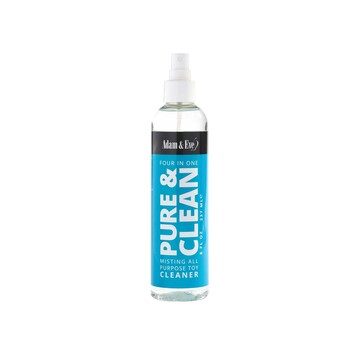
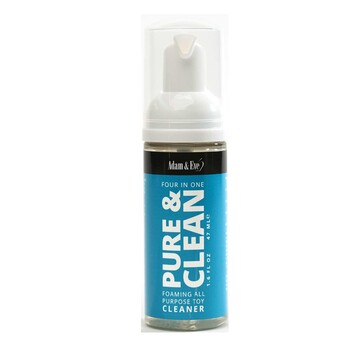
Store everything dry, and store porous toys separately, because soft plastics left pressed together can react and fuse. Lint-free fabric bags work well. Take the batteries out of anything you're putting away for a while, and charge rechargeables every so often instead of letting them sit flat for months. For something made for the job, the Adam & Eve Pure and Clean Foaming Toy Cleaner handles the before-and-after wash, the misting version does the same thing as a spray, and you can compare both in toy cleaners and personal care.
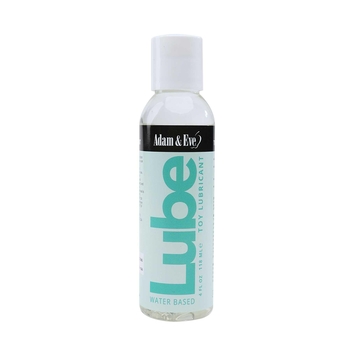
Choosing the right lubricant can help protect your toy and its material. Water-based lubricant is generally a versatile option and is compatible with many common sex toy materials, including silicone, glass, metal, ABS plastic, PVC, TPE, and TPR. The tradeoff is that water-based lube tends to dry out faster than silicone-based lubricant, so you may need to reapply it during use. Always check the manufacturer's recommendations for your specific toy, especially with porous or softer materials. Water-based lube is the safe choice when a toy's material is unlabeled or you simply don't want to think about it, and the Adam & Eve Toy Lubricant is one to consider as it's formulated to work with your favorite sex toy.
Silicone lube works well with glass, metal, and ABS plastic. When it comes to silicone toys, however, compatibility can vary. Silicone lubricant may affect some silicone toys, potentially leaving the surface tacky or changing its texture. That's why silicone lube is often discouraged for silicone toys. However, some manufacturers state that silicone lubricants are compatible with their own silicone products. The safest approach is to follow the care instructions that came with your toy. If no guidance is available, test a small amount of lubricant on an inconspicuous area first. Wait and check for any change in the toy's texture or surface before using it more broadly.
Oil-based lube works on glass and metal, and that's roughly where its usefulness ends. It degrades latex, which matters a great deal if you've taken this guide's advice and put a condom over a porous toy. The CDC is direct about it: use only water-based or silicone-based lubricants with latex condoms, because oil-based products including petroleum jelly, mineral oil, massage oil, body lotion, shortening, and cooking oil can weaken latex and cause breakage. Polyurethane condoms are compatible with both oil-based and water-based lubricants. Rubber and jelly toys don't take oil-based lube either.
What to Do With the Toys You Already Have
If you already own a sex toy, you don't necessarily need to replace it just because you aren't sure whether the material is considered body-safe. Start by finding the material information on the original packaging, the manufacturer's website, or the product page. Knowing what a toy is made from can help you determine how to clean, store, and use it safely.
If a toy is made from a porous material such as jelly, PVC, rubber, TPE, or TPR, it generally requires more careful cleaning and storage than a nonporous toy. Use the manufacturer's care instructions when available, allow the toy to dry completely before storing it, and consider using a condom over a porous toy if it will be shared. Water-based lubricant is often a suitable option, but check the manufacturer's recommendations for the specific material.
Nonporous materials such as silicone, glass, stainless steel, and ABS plastic are generally easier to clean, but individual toys can have different care requirements depending on their construction. Always follow the manufacturer's instructions, particularly for toys with motors, batteries, charging ports, or other components that can be damaged by water or heat.
If a toy is being used for both anal and vaginal play, take extra care to prevent the transfer of bacteria between body areas. Change the condom before switching between uses, or thoroughly clean the toy according to the manufacturer's instructions before using it in a different area. A dedicated toy for anal play can also make this easier.
Pay attention to changes in the toy's condition. Cracks, tears, damaged surfaces, or other visible deterioration are reasons to replace a toy. If a material becomes unusually sticky, develops a persistent odor, or changes noticeably in texture or appearance, it's also worth replacing rather than trying to restore it.
If you're replacing an older collection, you don't have to replace everything at once. Start with the toys you use most often or share most frequently, and use what you learn about materials to guide future purchases.
Shop Body-Safe Dildos, Cleaners, and Lube at Adam & Eve
“Body-safe” isn't a regulated term, but shoppers can use a few practical guidelines when choosing a dildo. Look for a nonporous material that can be thoroughly cleaned, and check the product description to confirm exactly what the toy is made of.
Silicone is a popular choice for its soft feel and easy cleaning, while glass and stainless steel offer different sensations and features. Whichever material you choose, check the manufacturer's care instructions and select a lubricant that's compatible with it. Proper cleaning and storage can help keep your toy in good condition and ready for its next use. When you're still weighing options, browse lubes alongside the toy you're considering so a compatibility surprise doesn't turn up later.
Shop sex toys at Adam & Eve and choose by the material you now know you want.