How to Clean Sex Toys After Every Use
Cleaning your sex toys after every use helps keep them fresh and ready for next time. The basic process is simple: wash the toy with warm water and mild soap or use a toy cleaner when the material allows it, rinse away any residue, and let it dry completely before storing it.
The right method depends on what the toy is made from and whether it has a motor or other electrical components. Non-motorized toys made from nonporous materials such as silicone or glass can often be washed more thoroughly, while vibrating toys may need a damp cloth unless they're specifically designed to be submerged. Always check the manufacturer's care instructions before cleaning a new toy.
How often should you clean sex toys?
Clean your sex toys after every use. You should also wash a toy before and after sharing it, and clean it between different parts of the body—for example, before moving from anal play to vaginal or oral use. Cleaning it soon after use also helps prevent lubricant and other residue from drying onto the surface.
For most nonporous toys, warm water and mild soap are a good place to start. Silicone, glass, hard plastic, and stainless steel can generally be cleaned this way, although you should always follow the care instructions for your specific toy.
The material matters because not all sex toys can be cleaned in the same way. Nonporous materials are generally easier to clean, while porous materials can absorb fluids and may require different care. If you're unsure what your toy is made from, check the packaging or manufacturer's instructions.
You'll also need to consider whether the toy has a motor or electronic components. Some vibrating toys are fully waterproof and can be washed under running water, while others should only be wiped with a damp cloth. Check the manufacturer's instructions before submerging any motorized toy.
What to Use to Clean Sex Toys
For most sex toys, warm water and a mild, unscented soap are all you need. Choose something gentle enough to use on your body and avoid dish soap, heavily scented products, and oily soaps, which can leave residue behind. Bedsider also recommends avoiding rubbing alcohol and hand sanitizer, as alcohol can irritate the skin and may damage some silicone surfaces. A dedicated sex toy cleaner is another option if you prefer one, but you don't necessarily need a separate product.
Check Your Lube and Toy Material
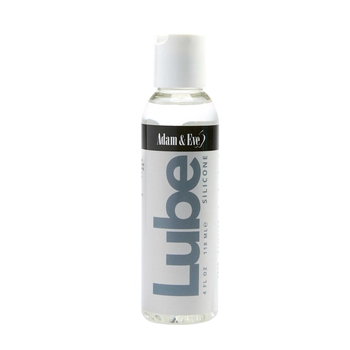
The type of lubricant you use can matter, especially with silicone toys. Silicone-based lube can interact with some silicone toys over time, potentially leaving the surface feeling tacky or softer. Water-based lube is generally the safer choice for silicone toys. If you prefer silicone-based lube, check the toy's care instructions first or use a condom as a barrier.
How to Clean a Vibrating Toy
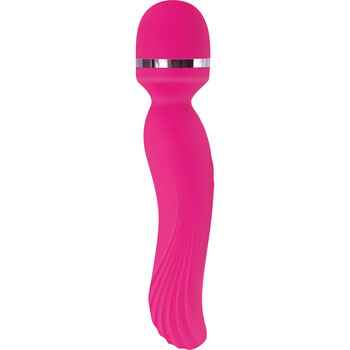
Toys with motors need a little more care. The most important rule is simple: don't submerge a motorized toy unless the manufacturer says it's safe to do so.
For a vibrating toy that isn't designed to be submerged:
Remove the batteries, if applicable, and make sure the battery compartment is closed or covered.Dampen a soft cloth with soap and water or toy cleaner rather than holding the entire toy under running water.Wipe the toy thoroughly, paying extra attention to seams, grooves, and buttons.Wipe away any soap or cleaner with a clean, damp cloth. If a particular part is sealed and the manufacturer's instructions say it can be rinsed, you can rinse that part under running water.Dry it completely before charging or storing it. Pay particular attention to charging contacts, ports, and battery compartments.
Waterproof vs. Water-Resistant Sex Toys
Check the manufacturer's instructions before getting a vibrating toy wet. Water-resistant or splashproof doesn't necessarily mean waterproof or submersible. A splashproof toy may be able to handle a few drops or a quick rinse, while a submersible toy is designed to be immersed in water.
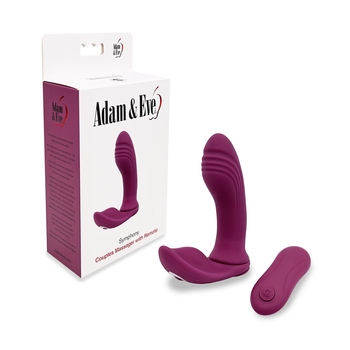
Don't forget about the remote, either. A vibrator may be waterproof while its remote isn't, so check the care instructions for both pieces before washing them.
Cleaning Silicone, Glass, Steel, and Softer Materials
The material your sex toy is made from determines how thoroughly you can clean it. Nonporous materials, such as glass, stainless steel, and some types of silicone, don't absorb fluids and can be cleaned more thoroughly. Porous materials have tiny openings that can trap bacteria, so they can be cleaned but not fully sanitized. Both Bedsider and Healthline recommend paying attention to this distinction when choosing and caring for sex toys.
That doesn't mean you need to avoid softer or porous toys. They simply need different care. Wash them gently after use and follow the manufacturer's cleaning instructions, while nonporous toys can usually handle a more thorough wash.
- 100% silicone, borosilicate glass, and stainless steel. Warm water and mild soap or a toy cleaner. Non-motorized pieces can also be boiled or run through the dishwasher. Air dry, and give glass toys padded storage.
- Hard plastic, often labeled ABS. Warm water and mild soap or a toy cleaner. Don't boil it, and store it in a lint-free bag.
- Soft, stretchy materials labeled TPE or TPR. Room-temperature water with a soapy washcloth. These can be cleaned but not sanitized, so store them separately.
- Jelly rubber, PVC, vinyl, and latex. Warm water and a soapy washcloth, with the same limit on sanitizing and the same separate storage.
- Realistic "skin" blends such as Cyberskin and UR3. Wash gently, dry completely, then dust with a renewing powder made for that material to keep the surface from turning tacky.
Deeper Cleaning for Non-Motorized Toys
Some non-motorized, nonporous toys can handle a more thorough clean than soap and water. For example, certain silicone toys can be boiled, but only if the manufacturer's instructions say it's safe. Boiling and the dishwasher are for non-motorized pieces only, and every source that endorses them scopes them that way. Healthline recommends boiling non-motorized silicone toys for up to three minutes, while Bedsider's gives a longer five- to ten-minute window. PASS Certified also recommends using a towel in the bottom of the pot and tongs to remove the toy. Since cleaning instructions vary, follow the guidance for your specific toy rather than assuming every silicone toy can be boiled.
Some non-motorized toys can also go in the dishwasher. If the manufacturer approves it, PASS Certified recommends placing the toy on the top rack and using the sanitize cycle without detergent.
For an occasional deeper clean, some nonporous, non-motorized toys can also be cleaned with a diluted bleach solution. PASS Certified recommends five tablespoons of household bleach per gallon of water for ten minutes, followed by a thorough wash with soap and water. This isn't necessary for routine cleaning, and it should never be used on porous materials or toys with unsealed electronics.
Why Toy Material Matters
Nonporous materials are generally easier to clean thoroughly because they don't absorb fluids. Research on sex toys has found that bacteria and other biological material can remain on some toys after cleaning, although these studies are small and don't show that a toy can transmit an infection after cleaning. The practical takeaway is simple: choose nonporous materials when easy cleaning is a priority, and follow the care instructions for whatever toy you have.
Jelly rubber and other porous materials require a little more consideration. Some jelly rubber toys have been found to contain phthalates, so using a condom over the toy can be an option if you want an additional barrier.
Strokers and sleeves need attention on the inside as well as the outside. Rinse the sleeve, wash both surfaces with mild soap and water, and let it dry completely inside and out before storing it. Good airflow and thorough drying are especially important for anything with an interior that can hold moisture.
Sharing Sex Toys and Switching Between Body Areas
If a toy is going from one part of the body to another, clean it first or put on a fresh condom. This is especially important when moving a toy from anal play to vaginal or oral use, since bacteria can be transferred between areas. Planned Parenthood recommends using a new condom each time a toy changes locations, while the Sexual Medicine Society of North America recommends washing toys between different parts of the body.
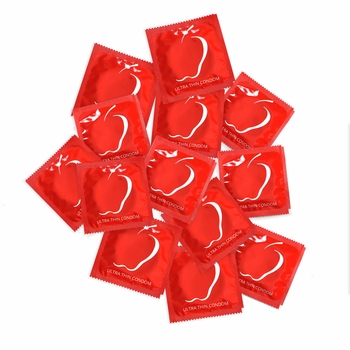
The same rule applies when sharing a toy with a partner: clean it between users or use a fresh condom. Keeping a few condoms with your toys makes this an easy habit to remember. If you're using a porous toy that can't be thoroughly sanitized, a condom can provide an extra barrier between the toy and your body.
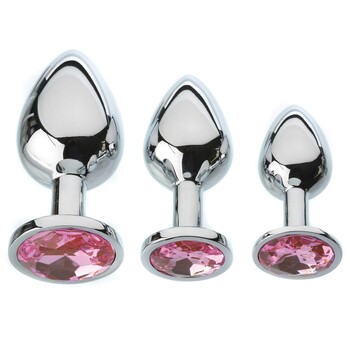
If you're using an anal toy, make sure it has a wide, flared base or another feature designed to prevent it from slipping fully inside the body. The Sexual Medicine Society of North America recommends choosing anal toys with a suitable base or retrieval feature. Pay a little extra attention to the base when cleaning, too, since the area where it meets the shaft can collect lubricant and residue.
You don't need to make sharing complicated. A good wash, a fresh condom when needed, and a little attention to where the toy is being used are usually enough to keep things simple.
How to Dry and Store Sex Toys
Let your sex toys dry completely before putting them away. Air drying is ideal, since towels can leave behind lint or fibers. Place the toy on a clean, dry surface or in a dish rack, and give it time to dry fully. If you need to speed things up, use a clean, lint-free cloth first, then leave the toy out until there is no moisture left.
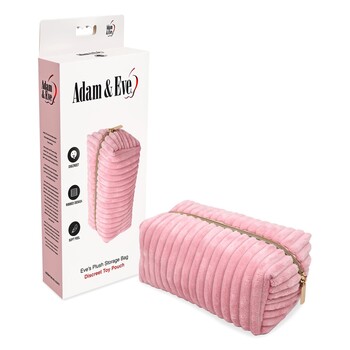
Once the toy is dry, store it somewhere clean and dry. Keeping toys separate helps prevent softer materials from sticking together and protects surfaces from scratches. A fabric pouch, makeup bag, or clean storage container can work well. For glass toys, choose something padded, and for silicone anal toys, a breathable storage bag can help prevent odors. If your toy came with a storage pouch, that's usually the easiest option.
For rechargeable or battery-powered toys, check the manufacturer's storage instructions. Remove disposable batteries before putting the toy away to prevent leaks or corrosion. If the toy is rechargeable, follow the recommended charging instructions rather than leaving it unused and completely discharged for long periods. Keep the original care instructions handy, too—they'll tell you whether the toy is waterproof and how it should be cleaned and stored.
When to Replace a Sex Toy
Give your toys a quick check while you're cleaning and drying them. Cracks, tears, deep scratches, pitting, or a surface that stays sticky after washing are all good reasons to replace a toy. Damaged surfaces can be harder to clean properly and may become uncomfortable to use. PASS Certified recommends disposing of toys when they show visible damage.
Sex Toy Cleaning Essentials
For most nonporous sex toys, mild soap and warm water are all you need. A dedicated toy cleaner is simply a convenient alternative, especially for toys that shouldn't be held under running water. It can also be useful to keep a cleaner, cloths, and other supplies together so they're easy to grab when you need them.
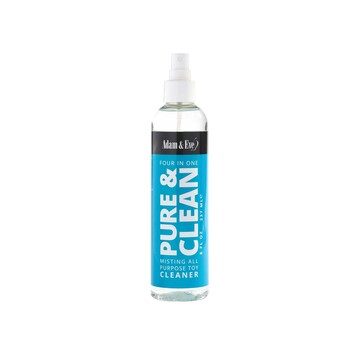
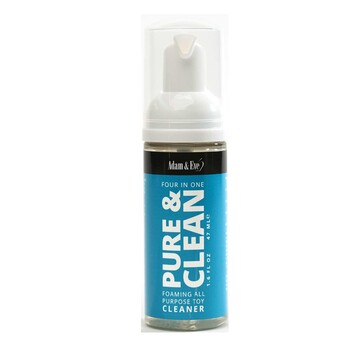
Adam & Eve Pure and Clean Foaming Toy Cleaner is one option. The directions are simple: apply the foam to a damp cloth or directly to the toy, gently clean the surface, rinse with warm water, and dry thoroughly. It's alcohol-free and non-greasy and is designed to remove lubricant residue. If you prefer a spray, Adam & Eve Pure and Clean Misting Toy Cleaner works in much the same way.
Some realistic or skin-like toys need additional care after washing. Once the material is completely dry, a small amount of renewing or refreshing powder can help prevent the surface from becoming sticky between uses. Follow the care instructions that came with the toy, since powders aren't appropriate for every material.
A few other supplies can make toy care easier: water-based lubricant, condoms for sharing or switching between body areas, and a clean, breathable storage bag. You don't need a drawer full of specialty products—just the basics that suit the toys you actually use.
For dedicated cleaning products and other toy-care essentials, you can browse the Adam & Eve toy cleaners and personal care collection.