How to Choose the Best Lubricant for Masturbation
The right lubricant can make solo play more comfortable, reduce friction, and add a little extra glide. But with water-based, silicone-based, hybrid, and oil-based formulas to choose from, how do you know which one is right for you? It comes down to what feels best, whether you're using your hands or a toy, and how much staying power you want. Each type has its own benefits, from easy cleanup to longer-lasting slickness, so let's break down the differences and help you find your match.
Water-based lubricants are the most broadly compatible option. They work with any toy material, including silicone, and rinse off easily with water, though they tend to need reapplying sooner than a silicone or oil-based formula does.
Silicone-based lubricants last longer and feel slicker over time, which makes them a solid pick for skin-to-skin solo play. They aren't the best match for a silicone toy, for reasons the next section explains.
Hybrid lubricants blend water-based and silicone ingredients, aiming for a middle ground between the two: more glide and staying power than a straight water-based formula, with an easier cleanup than straight silicone.
Oil-based and organic lubricants, including natural oils, tend to last the longest between applications and can feel closest to natural wetness, but they come with their own compatibility notes, covered a bit further down.
How Water-Based, Silicone, and Hybrid Lube Feel and Clean Up
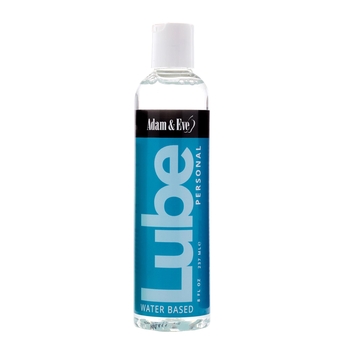
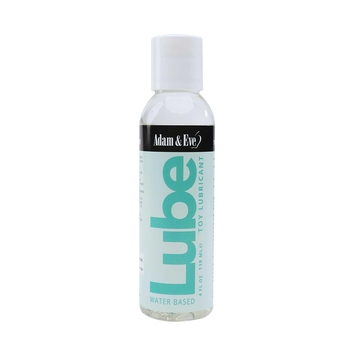
Water-based lube feels close to your body's own natural wetness, which is part of why it's the usual recommendation for solo play with a toy. It mixes with water, so a quick rinse or a damp cloth cleans it off skin, toys, and sheets without leaving a sticky film behind. The tradeoff is that it can dry out faster than a thicker formula, so you may reach for more partway through, especially with a toy that creates more friction than a hand would. The International Society for Sexual Medicine notes that water-based lubricants are safe to use with condoms and with silicone sex toys, which makes them a dependable starting point if you're not sure what else is in the mix. Adam & Eve's own water-based options, including Masturbation Lubricant, Personal Lubricant, and Toy Lubricant, all fall into this family.
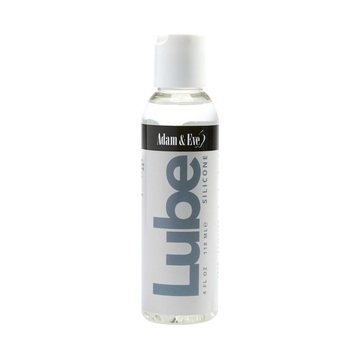
Silicone-based lube has a thicker, more cushioned glide that holds up longer, so you're less likely to need to reapply mid-session. Cleanup takes a little more effort: soap and water remove it from skin, but it can leave a slick residue on sheets or towels if you don't wipe it down. One thing to keep in mind: silicone-based lubricant can damage some silicone toys over time, leaving the surface sticky or deteriorated. It's generally a better choice for skin-to-skin play, while water-based lubricant is the safer go-to for most silicone toys. Always check the toy manufacturer's care instructions to be sure. Adam & Eve's Personal Silicone Lubricant is a verified example of this formula when a silicone toy isn't part of the session.
Hybrid lube combines water-based and silicone ingredients to land somewhere in between: more glide and staying power than a straight water-based formula, with a cleanup that's usually a little easier than pure silicone. It's worth comparing if you've tried both formulas separately and would rather have a bit of both than commit to one.
Lube, Toys, and Compatibility: What to Know
If you're using a masturbation sleeve or stroker, the material matters just as much as the lubricant itself. Water-based lube is a good starting point for most toys because it's versatile and easy to clean up. Columbia University's Go Ask Alice health education service also recommends water-based lubricant for male sex toys and notes that some materials, including jelly and rubber, can be harder to clean thoroughly and may irritate the skin. Whatever toy you use, check the manufacturer's care instructions for guidance on compatible lubricants and cleaning methods. Some sleeves can be turned inside out or rinsed from both ends, while others require different care.
Your preferred formula also depends on how long you want it to last. Water-based lubricants are easy to wash away but may need to be reapplied during longer sessions. Silicone-based and oil-based formulas generally last longer, while hybrid lubricants offer a middle ground between water-based and silicone-based options.
There are a couple of compatibility rules to keep in mind. Silicone-based lubricant can damage some silicone toys over time, so water-based lube is usually the safer choice for those materials. Oil-based lubricants should never be used with latex condoms because they can weaken the latex and increase the risk of breakage. The same caution applies to latex accessories. If you're interested in an oil-based option, Kama Sutra Coconut Oil-Based Love Oil is one example available at Adam & Eve.
Finally, think about what feels comfortable on your skin. The longest-lasting formula isn't necessarily the best choice if it leaves you feeling irritated. If a lubricant causes stinging, burning, or discomfort, stop using it and try a different formula. Finding the right match comes down to balancing comfort, compatibility, staying power, and cleanup.
Comfort, Safety, and Checking In With Your Body
Masturbation is a private, personal experience, and comfort is something only you can judge. No single lubricant works the same way for every body, so treating this as a bit of trial and error, rather than a one-shot decision, takes the pressure off.
Checking in with your own body matters more than following anyone else's formula. If a lubricant stings, burns, or leaves your skin irritated after use, stop using it and switch to a different formula. Some of the research behind these safety recommendations specifically studied vaginal tissue, though the same stinging or burning warning signs apply to anal or genital skin during solo play too. You don't need a specific reason to switch products. If something doesn't feel right on your body, that's reason enough.
Whatever your body, experience level, or the toy you're using, the formula that feels best is the one your own skin responds well to, not the one with the longest-lasting claim on the bottle.
Reading the Label and Knowing When to Stop
A common misunderstanding is that any lubricant labeled "personal" or "intimate" is automatically gentle on the body. In practice, formulas vary quite a bit in how concentrated they are, and a more concentrated formula can pull extra moisture out of sensitive tissue, which is part of can cause stinging or burning.
International guidelines set by the World Health Organization and UNFPA recommend that lubricants intended for use with condoms stay below a specific concentration level, along with limits on glycerin and similar ingredients that push concentration higher. A peer-reviewed lab study that tested twelve commercially available lubricant gels found that seven measured outside that recommended limit. That doesn't mean most masturbation lube on shelves is unsafe. Lab testing can offer useful clues about a lubricant's ingredients, but a small study can't tell us how every product on the market will affect every person. Checking the ingredient list is a good starting point, especially if you're concerned about a particular ingredient or its concentration.
Ultimately, what matters is how a lubricant works for you. Even if a formula looks great on paper, it may not feel comfortable on your skin. If you notice irritation or discomfort, stop using it and try a different formula. Finding the right fit sometimes takes a little trial and error, and that's completely normal.
Shop Lubricants for Masturbation at Adam & Eve
Once you've got a sense of which formula fits how you play, whether that's water-based for easy cleanup, silicone-based for staying power, hybrid for a middle ground, or oil-based and organic for the longest glide, the next step is simply trying one and seeing how it feels on your body. Browse sex lubes at Adam & Eve to compare formulas and find the one that fits your routine.