Updated
Essential Condom Facts Everyone Should Know
Condoms are one of the most accessible ways to help prevent pregnancy and reduce the risk of sexually transmitted infections (STIs), but how well they work depends on choosing the right type and using it correctly. The CDC recommends consistent, correct condom use to help reduce STI risk, though protection varies by infection and no method is perfect. So, what should you know before reaching for one? These six essential condom facts cover everything from materials and lubricant compatibility to proper storage, common mistakes, and what to do if a condom breaks.
How to Choose and Use a Condom Correctly
Choosing the right condom comes down to finding one that offers the protection you need and using it correctly every time. The material matters, and so do a few everyday habits that can help prevent damage and keep your condom working as intended.
If you're using latex condoms, stick with water-based or silicone-based lubricants. Oil-based products, such as baby oil, body lotion, petroleum jelly, and cooking oil, can weaken latex and increase the risk of breakage. Proper storage matters, too. Keeping condoms in your wallet may seem convenient, but heat and friction can damage them over time. Store them in a cool, dry place instead.
When it's time to use a condom, open the wrapper carefully with your fingers to avoid accidentally tearing the condom itself. Always use a new condom for each sexual encounter, and never reuse one. A few simple habits can go a long way toward making safer sex easier and more reliable.
Latex, Polyurethane, and Lambskin: What's the Difference
Latex is the most common condom material, and it's also the most effective at protecting against both pregnancy and STIs, including HIV, according to guidance on condoms and HIV prevention. If you have a latex allergy, polyurethane, sometimes called plastic, or synthetic rubber condoms are a reasonable substitute, though they break more often than latex. Lambskin condoms, sometimes labeled natural membrane, are made from material with small pores that block sperm but not viruses. That means lambskin can help prevent pregnancy, but it isn't the right choice if STI or HIV protection matters to you. Even when a condom is used exactly as directed, no method eliminates risk entirely. In real-world use, male condoms have a pregnancy-prevention failure rate of about 13 percent per year, according to current contraception information, a reminder that material choice is only one part of staying protected, alongside correct and consistent use.
Condom Fit: Comfort and Protection Go Hand in Hand
A condom should feel secure without being uncomfortably tight. If it slips, bunches up, or feels like it's squeezing too much, the fit may not be right. A poorly fitting condom can increase the chance of slipping or breaking, so finding the right size is about more than comfort.
Pay attention to how a condom feels from start to finish. It should roll on easily, stay in place during sex, and leave you comfortable rather than distracted by pinching or slipping. If your usual brand or size doesn't feel right, try a different fit instead of assuming all condoms feel the same. The right match can make condom use more comfortable and help you use it correctly every time.
What to Do if a Condom Breaks
If you feel or notice a condom break at any point during sex, stop right away. Remove the broken condom and put on a new one before continuing. That single action matters more than anything else in the moment.
Most of the time, when a condom doesn't prevent pregnancy or an STI, the reason traces back to how it was used, not to the condom breaking. Breakage itself is less common than a lot of people assume, roughly two broken condoms per hundred used in the US, according to clinical treatment guidelines. Still, if you're at all concerned after a condom breaks, it's reasonable to talk with your partner about recent testing, and if pregnancy prevention matters to you, to ask a pharmacist or clinician about emergency contraception options. Neither step undoes what already happened, but both are useful next moves rather than something to panic over.
Find the Right Condoms for You
Now that you know what to look for, it's time to find your fit. Whether you prioritize material, texture, or comfort, Adam & Eve's condoms category offers a variety of condoms to explore so you can find options that match your preferences and your safer-sex needs. Some top picks include:
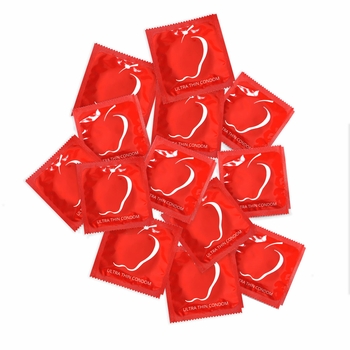
Adam & Eve Ultra Thin Condoms, 13-pack, are a lubricated option built around a thinner feel.
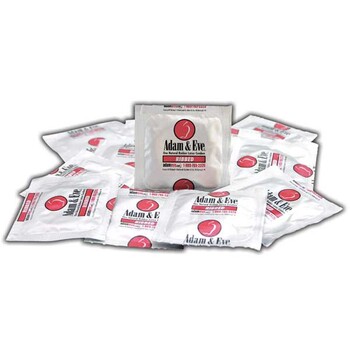
Adam & Eve Ribbed Condoms, 13-pack, add texture if you and a partner want more sensation from a familiar condom.
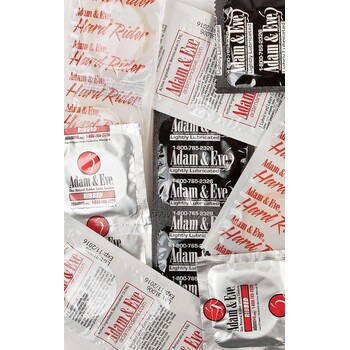
Adam & Eve 24 Condom Sampler mixes several styles in one pack, a practical way to find your preferred fit and feel before settling on one product.
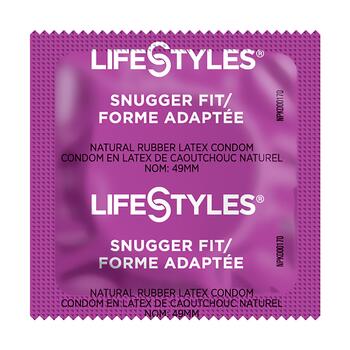
Lifestyles Snugger Fit Condoms, 12 ct., are sized for a closer fit, worth a look if a secure fit has been hard to find.
The best condom is one that fits comfortably, meets your needs, and you can use correctly every time. A little know-how goes a long way toward making safer sex feel simple and stress-free.