Updated
What is the Fireworks Position?
Fireworks is a seated, face-to-face scissors-style position for grinding and deep penetration, with eye contact held the whole time. Both partners sit facing each other, legs split and interlocked, and one partner's leg rests up on the other's shoulder while weight stays supported on the arms. The motion is a slow, circular grind that keeps the connection intimate as the body works to hold the shape.
Adam & Eve rates Fireworks Advanced: it calls for real arm, leg, and back strength along with enough flexibility to hold the leg-over-shoulder angle, and most people find it hard to sustain for long stretches. Building that strength and stamina is as much a part of trying Fireworks as learning the mechanics, so give yourself room to grow into it. The sections below cover how to move into the position, what makes it easier to hold, and what to expect the first time you try it.
How to Get Into the Fireworks Position
Both partners start seated and facing each other at the edge of the bed, close enough that legs can interlock. One partner lifts a leg up onto the other's shoulder while the other leg stays extended off the edge of the bed. From there, both lean back, bracing weight on the arms behind you for support. Once you're both settled, move with a slow, circular grind rather than an in-and-out thrust, which keeps the shared eye contact that gives this position its intimacy.
Go slowly on the way in. Finding the right distance and leg placement usually takes a try or two to feel stable, and settling into it is a normal part of learning the position.
Making the Fireworks Position More Comfortable With Lube and Support
Two things change how this position actually feels once you're in it: how much friction there is, and how much effort it takes to hold the angle.
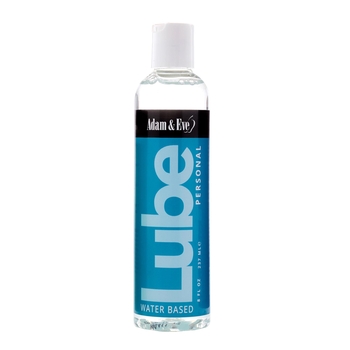
A water-based lubricant can reduce friction during a sustained, grinding, deep-penetration motion like this one. MedlinePlus, the U.S. National Library of Medicine's consumer health resource, notes that a water-soluble lubricant used during intercourse may help with friction and irritation. Reach for one to make a longer, grinding position more comfortable to stay in, since how much friction you feel can vary from one encounter to the next.
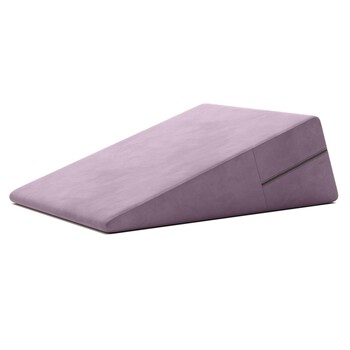
A positioning aid can hold the angle for you, taking some of the sustained effort off your arms, legs, and back. Because Fireworks already asks a lot of those muscle groups, something that holds the incline in place lets you focus on the movement and the connection instead of staying propped up.
These adjustments can make Fireworks easier to maintain, though you'll still need strength and flexibility to hold the position comfortably.
Fireworks: Tips for Consent, Comfort, and Safety
Agree together before trying a position that asks for this much physical effort, and let either partner set the pace once you're in it. Treat anything that feels like real pain, rather than ordinary muscle fatigue, as your cue to stop or reposition. Checking in as you go keeps the experience about both of you.
A few minutes of warming up and light stretching beforehand is good practice before any strenuous physical activity, and Fireworks qualifies. OrthoInfo, the patient education site of the American Academy of Orthopaedic Surgeons, explains that a warm-up raises blood flow, muscle temperature, and breathing rate, and that stretching afterward helps lower the risk of strain. Fireworks still calls for real arm, leg, and back strength and flexibility to hold, and stretching beforehand is one practical way to lower your risk of a pulled muscle while you build toward it.
What to Expect the First Time You Try Fireworks
The most common surprise with Fireworks is how fast your arms and legs tire, even before penetration deepens or the rhythm picks up. That's the strength-and-flexibility demand the Advanced rating points to, and shifting, re-bracing, or taking a short break well before either partner is finished is a normal part of learning it. A first attempt often feels like a balancing act.
Fireworks works through a slow, circular grind, so if the position feels static, that stillness is the point. If the leg-over-shoulder setup or the sustained hold doesn't click for your bodies on a given day, that's useful information for trying it again later. Some couples prefer an option with a different support structure and still keep the same face-to-face closeness. The 69th Street Bridge offers that kind of eye contact with a different balance point.
Lube and Positioning Support for Fireworks
If you're ready to try the Fireworks position, these two picks can help make things more comfortable.The Liberator Ramp holds an incline with low physical effort, taking some of the strain off a position that already asks a lot of your arms and back. For the friction side, a water-based option such as Adam & Eve Personal Lubricant eases the friction this position's sustained grinding can create.
Explore the full selection of Liberator Position Aids to find the right fit for your needs.