Updated
What Is the Covered Bridge Sex Position?
The Covered Bridge is a bridge sex position built on missionary: the receiving partner lifts their hips off the bed into a bridge shape while the penetrating partner kneels between the raised hips. That lift changes the angle you're entering from, and some people notice it brings more direct contact against the front vaginal wall, an area some people call the G-Spot. The difference this makes will vary depending on each partner’s body and may even change from one time to the next. Think of it as an angle worth experimenting with, rather than a guaranteed result.
If you already know your way around missionary, think of Covered Bridge as a variation that asks a little more strength and coordination from the receiving partner in exchange for a different angle and a different view.
How to Do the Covered Bridge Position
The position is easy to get into once you know where each partner should be.
- The receiving partner lies on their back, knees bent and feet flat, then lifts the hips off the bed using the stomach and leg muscles, the same basic lift as a glute bridge exercise.
- The penetrating partner kneels between the raised hips, with one hand supporting their own weight and the other hand supporting the receiving partner's lower back or hips.
- From that angle, thrusting can go slower and shallower or quicker and deeper, since the changed angle you're entering from often makes room for both.
You don’t need to hold the bridge for long. Adjust the lift as needed, lowering the hips between movements or switching positions whenever either partner starts to feel tired.
Pillow and Support Tips for the Covered Bridge
A couple of firm pillows under the receiving partner’s hips can provide support without requiring them to maintain the bridge themselves. If holding the lift becomes tiring, they can relax onto the pillows and adjust their position as needed.
Pillow height also offers an easy way to experiment with the angle. A little more lift may change the sensation, though the difference will vary from person to person. Start with a height that feels comfortable, and adjust from there as there’s no need to force a deeper arch or maintain a position that causes strain.
Staying Comfortable and Safe in the Covered Bridge Position
If limited core strength, a tender back, or tight hips make the full lift tough, there's an easier version. Start with the pillows doing most of the supporting work from the beginning rather than trying to hold an unsupported lift, and let the penetrating partner take on more of the movement. The Covered Bridge doesn’t have to be strenuous to be enjoyable. A gentler lift, extra pillow support, and small adjustments throughout can make the position more comfortable for both partners.
Check in with each other as you go, rather than relying on a conversation before you begin. If either partner notices strain in the back, hips, or legs, take a break or adjust the position. Discomfort is a reason to change course, not something to push through.
Lubricant can also help reduce friction and make movement more comfortable, particularly if you’re experimenting with a different angle or deeper penetration. If you’re using condoms, the type of lubricant matters, too. The CDC recommends water-based or silicone-based lubricants with latex condoms because oil-based products can weaken latex and increase the risk of breakage.
If the Covered Bridge Position Doesn't Feel Right
Sometimes a position sounds better in theory than it feels in the moment, and that's completely normal. If the changed angle doesn't produce the sensation you were hoping for, that just means this particular lift isn't doing it for the two of you right now.
If a back, hip, or stomach starts to complain partway through, lower the hips down onto the bed or further onto the pillows rather than pushing through the discomfort. You can also shift the lift slightly, change how bent the knees are, or let the penetrating partner take over more of the supporting work. If none of that helps, it's entirely fine to settle back into regular missionary or move to a position that doesn't ask for a lift at all. The Covered Bridge is simply one option to explore together, and neither partner should feel pressured to try it if it doesn’t feel right for them.
Lube to Keep the Covered Bridge Comfortable
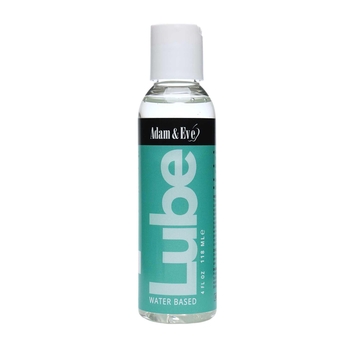
A water-based lubricant is worth keeping within reach for this position, especially if you're using condoms or toys alongside it. Adam & Eve Lubricant is a straightforward water-based option that adds glide and is compatible with condoms. Or browse the rest of Adam & Eve's water-based sex lubes to explore more and find the lube that's best for you.