Updated
How Common Is Sexting, Really?
More common than you might think! Exactly how common depends on who researchers ask and what they count as sexting.
A 2013 national survey of U.S. cell phone owners, reported by Pew Research Center, found that 9% had sent a sexually suggestive nude or nearly nude photo or video of themselves, while 20% had received one. Those figures offer a snapshot of the broader population surveyed.
Studies focused on younger adults paint a different picture. A 2020 meta-analysis published in Archives of Sexual Behavior combined findings from 50 studies involving more than 18,000 participants, roughly ages 18 to 29. Researchers found that 38.3% had sent a sext, 41.5% had received one, and 47.7% reported reciprocal sexting, meaning both partners had participated.
So why the difference? The studies looked at different groups of people, and that matters. Research focused on younger adults tends to report higher rates of sexting than surveys looking at the general adult population. The numbers aren't necessarily contradictory; they reflect differences in the people surveyed and how sexting was measured.
The takeaway? Sexting is a familiar part of flirting and intimate communication for many adults, whether they're keeping the spark alive in a long-term relationship or getting to know someone new. What matters most is that everyone involved is comfortable, consenting, and on the same page about privacy.
Setting the Mood Before You Sext
The best sexting often starts with a little flirting. Maybe you've been trading playful texts all day, or maybe you just can't stop thinking about someone and want them to know it. You don't need a perfectly crafted line to get things started. A simple message like, “I've been thinking about you today… want to know what was on my mind?” can open the door without putting pressure on the other person.
Pay attention to their response, too. If they're into it, let the conversation unfold naturally. If they're not interested or say they'd rather wait, respect that and leave it there. Flirting should feel exciting for both of you, never like an obligation.
Timing can make a difference as well. Choose a moment when you both have time to enjoy the conversation instead of squeezing it in between meetings or errands. And before things get more personal, make sure you're using a messaging platform you both feel comfortable with. A little chemistry, mutual interest, and consideration can go a long way toward making sexting fun.
Texts, Photos, Video, or Calls: The Different Ways to Sext
There's more than one way to sext, and each comes with its own perks, comfort levels, and privacy considerations.
Text messages rely entirely on words and imagination. They're the lowest-stakes way to start, since there's no image or recording to manage once it's sent, and they let you build a scene or describe what you're thinking without showing anything visual.
Photos add a visual element, often the first thing that comes to mind when people hear the word "sext." Because a photo is a file that can be saved, forwarded, or stored, it's the format where the privacy habits in the next section matter most.
Video carries everything a photo does, plus movement and sound, which some people find more expressive. The same privacy considerations that apply to photos apply here too, and arguably more so, since a video can reveal more identifying details, like a voice or a room, than a single still image can.
Calls and voice notes skip visuals altogether. For anyone who likes the immediacy of hearing a partner's voice, or who'd simply rather not have an image or recording saved anywhere, a call or voice note can deliver the same charge without leaving a photo or video behind, unless someone chooses to record it.
Consent, Privacy, and Staying Safe While Sexting
Before anything gets explicit, have the conversation about what each of you is and isn't comfortable with. Being okay with one kind of message doesn't automatically mean you're okay with another, so it's worth naming the difference between texting, photos, and video rather than assuming. If you do send a photo or video, leave your face and anything else that could identify you, like a tattoo, birthmark, or scar, out of the frame. Those two habits, covered in a university sexting-safety guide, cut down on how traceable an image is if it's ever seen by someone it wasn't meant to reach.
Having an intimate photo or message shared without permission isn't the experience most people report, but it can happen. Research from Pew and studies of younger adults suggest that nonconsensual sharing affects a smaller proportion of people than sexting itself. Still, it's worth talking about privacy and boundaries before you start. Be clear about what you're comfortable sharing, agree to keep each other's messages and images private, and make sure you're on the same page before things get steamy.
Before You Hit Send: A Few Things to Keep in Mind
Disappearing messages and screenshot notifications can offer a little extra peace of mind, but they aren't foolproof. Someone could save an image another way, and once a message or photo has been seen, you can't guarantee where it might end up. Even if you trust the person you're sharing with, it's worth thinking about what you're comfortable sending before you hit that button. Intimate images can be difficult to remove once they're shared, so choose what feels right for you with that possibility in mind.
And remember, you're always allowed to change your mind. You can pause, slow things down, or stop sexting altogether at any point, even if you've already shared a message or photo. You don't owe anyone an explanation, and saying “not anymore” doesn't invalidate the fun you were having before. Sexting should feel good for everyone involved, and your comfort matters just as much as the other person's.
Vibrators and Lube If You Want To Get Physical
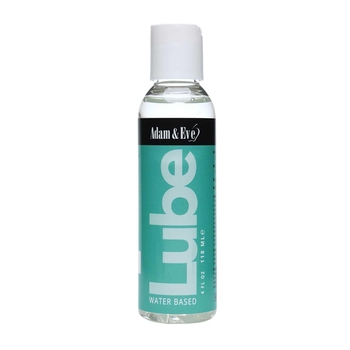
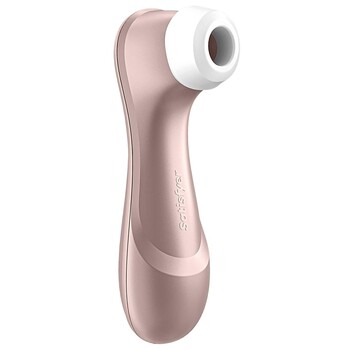
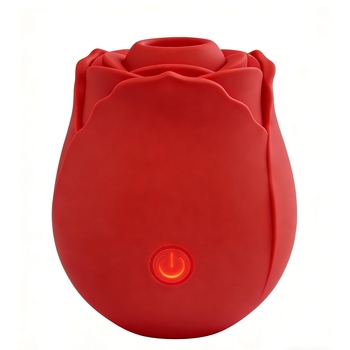
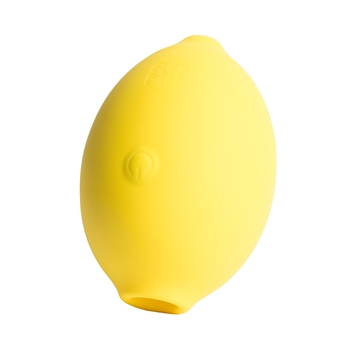
A sext exchange like this often leads somewhere physical, whether that's solo play or something you pick up with a partner in person. If you want a next step, Adam & Eve Lubricant is a water-based lubricant that works well either way. For more targeted, external stimulation, clit vibrators like the Satisfyer Pro 2 2nd Generation, Eve's Blooms Of Bliss, and the Romp Lemon Crush are all built for that kind of play.
Browse vibrators at Adam & Eve. Shop Vibrators