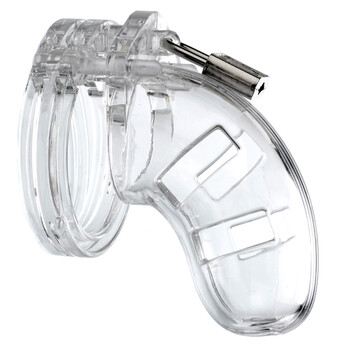
What a Chastity Cage Is and Why People Wear One
A chastity cage, sometimes called a penis cage, is a wearable device designed to fit over the flaccid penis and limit direct access to it. Most designs feature a base ring, a protective cage, and a locking mechanism. While the idea might sound unfamiliar if you're new to the topic, chastity play is one way some adults choose to explore intimacy, anticipation, and control.
So, why wear one? For some people, a chastity cage adds a playful twist to a relationship by allowing a partner to take on a keyholder role. For others, it's a personal choice or part of a consensual power-exchange dynamic. Some enjoy the anticipation of agreed-upon boundaries around sexual activity, while others are simply curious about trying something different. There's no single reason to explore chastity, and it's entirely a matter of personal preference.
Chastity play can involve partners sharing control, or someone choosing to explore it on their own. Whatever the arrangement, clear communication, mutual consent, and physical comfort should always come first. A chastity cage should never cause pain or restrict normal urination, and the wearer should always have a reliable way to remove it if discomfort or another problem arises.
In this guide, we'll cover the basics of chastity cages, what to consider when choosing one, and how to approach fit and safety so you can make an informed decision.
How a Chastity Cage Fits and Locks
The typical design has three parts: a ring that sits behind the testicles, a cage that encloses the flaccid penis, and a lock that joins the two so the wearer needs a key. That ring keeps the cage in place, and the cage itself is shaped to physically restrict an erection while it's worn.
Many designs also build in an opening or slot, so the wearer can use the bathroom without removing the cage. That opening is a common design feature across the category.
Chastity Cage Materials: What to Know About Polycarbonate
Chastity cages come in different materials, but polycarbonate is one option worth knowing about if you're exploring the category. This rigid plastic is lightweight and holds its shape, making it a practical choice for a device designed to be worn close to the body.
As with any chastity cage, fit matters more than simply choosing a particular material. The device should sit securely without pinching, rubbing, or putting uncomfortable pressure on the skin. Before choosing a cage, check the sizing information and manufacturer's guidance to make sure the design suits your needs.
Comfort, Fit, and Safety Boundaries
A good fit is essential for a comfortable chastity cage. It should sit securely without pinching, rubbing, or putting too much pressure on the skin. Check how it feels whenever you put it on, and remember that comfort matters more than how long you wear it.
If you're new to chastity play, start with shorter periods of wear and see how your body responds before considering longer sessions. Everyone is different, so there's no need to rush or aim for a particular length of time. If the cage feels uncomfortable, take a break and remove it.
It's also important to pay attention to changes in sensation or appearance. Research on genital constriction injuries highlights the importance of maintaining normal circulation. If you notice numbness, swelling, unusual discoloration, or persistent pain, remove the device promptly. If it won't come off or symptoms don't resolve quickly, seek urgent medical care.
Finally, communication is part of a positive chastity experience, whether you're exploring on your own or with a partner. Agree on boundaries beforehand, and make sure everyone involved can pause or stop at any time. If a keyholder is involved, there should always be a clear, practical plan for removing the cage if needed. Comfort, trust, and safety should always come before any agreed-upon wear time.
Common Misunderstandings About Chastity Cages
Chastity cages can sound intimidating if you're unfamiliar with them, but they're simply one way some adults choose to explore intimacy, anticipation, and consensual power play. Some people enjoy incorporating a cage into a relationship, while others explore chastity on their own. There's no single right way to approach it, and it's entirely a matter of personal preference.
Another common misconception is that a locked cage must stay on for a set amount of time, no matter what. In reality, comfort and safety always come first. Whether you keep the key yourself, share it with a partner, or use a timer lock, you should have a reliable way to remove the device if needed. Chastity play should be enjoyable and consensual, never something that requires you to ignore pain or discomfort.
Chastity Cages and Kink Essentials at Adam & Eve
If you're curious about trying a chastity cage, Adam & Eve carries one in its the MANCAGE Penis Cage in it's penis sleeves and enhancers collection.
Chastity play is just one part of a much wider world of kink. The Kinky Bondage category is where to browse restraints, locks, and other gear built for the same kind of power-exchange play.