Updated
How to Give a Great Massage: Tips for Comfort and Connection
A great massage is about more than knowing which strokes to use. It's about creating a relaxing atmosphere, paying attention to your partner's needs, and learning what feels good to them. A little preparation, warm massage oil or lotion, and a few simple techniques can help you turn an ordinary massage into a more enjoyable experience.
In this guide, you'll learn how to prepare for a massage, use smooth and steady strokes, adjust pressure to your partner's preferences, and recognize when it's time to change your approach. Most importantly, you'll discover why checking in and listening to feedback matter just as much as technique. There's no perfect formula for a great massage; the goal is to help your partner feel comfortable, relaxed, and cared for while letting them decide what comes next.
How to Set the Mood for a Relaxing Massage
A great massage starts with a comfortable setting. A warm bath or shower beforehand, whether you take it together or separately, can help you unwind and ease into a more relaxed mood. Dim the lights, play some music you both enjoy, and keep the room warm enough to stay comfortable throughout the massage. You don't need a professional massage table, either. A bed, a thick towel on the floor, or another comfortable surface with enough room to stretch out will work just fine.
Choosing the right massage oil or lotion comes down to personal preference. Massage oil provides more slip for long, smooth strokes, while lotion tends to absorb more quickly and may leave less residue on the skin. Whichever you choose, rub a little between your palms to warm it before applying it. This simple step helps avoid the surprise of cold product on warm skin. If you're trying a new oil or lotion, test a small amount on a small patch of skin first and check for any signs of irritation before using it over a larger area.
Simple Massage Techniques to Help Your Partner Relax
You don't need to be a professional massage therapist to give a massage your partner will enjoy. A few simple techniques, a gentle touch, and a willingness to listen to feedback can go a long way. Start with slow, steady movements, pay attention to how your partner responds, and adjust your approach based on what feels comfortable. These basic massage techniques are a great place to begin.
Start at the feet and ankles. Long, light strokes here help your partner settle into being touched before you move on to broader areas, and they're a low-pressure way to open the massage.
Move into the thighs and calves. Keep strokes slow and work upward, toward the heart, rather than pressing down in one spot. This is also a natural point to ask how the pressure feels so far.
Spend real time on the back. This area often holds a lot of tension, so it rewards a slower pace. Use the heel of your hand or long, flat strokes to cover broader muscle, working from the lower back upward.
Finish at the arms and shoulders. Shoulders in particular hold a lot of day-to-day tension, so slow, steady pressure often does more here than one quick pass ever will.
Check in with your partner about pressure throughout the massage. Everyone has different preferences, and what feels good can change from one day to the next. Keep communicating and adjust your touch as needed to help your partner stay comfortable and relaxed.
Keep the Massage Comfortable and Enjoyable
A great massage is all about paying attention to your partner and making sure they're enjoying the experience. Check in now and then about pressure, especially as you move to different areas of the body. Everyone has their own preferences, so let your partner guide you on what feels best. If they seem tense or uncomfortable, simply pause and ask if they'd like you to adjust your touch.
Communication should feel natural, not like a series of questions. A quick “Does this feel good?” or “Would you like a lighter touch?” can help you find the right rhythm together. Remember, your partner can always ask you to change what you're doing or take a break. Feeling comfortable enough to speak up is part of what makes a massage relaxing and enjoyable.
When it comes to technique, start gently and let your partner's feedback guide you. Smooth, steady strokes are a great starting point, and there's no need to use deep pressure to give a satisfying massage. According to the National Center for Complementary and Integrative Health massage is generally considered to have a low risk of harm, although more vigorous techniques can carry greater risks. If either of you has an injury or a health condition that could affect whether massage is appropriate, check with a health care provider for guidance before getting started.
Ultimately, the goal isn't to master a particular technique. It's to create a comfortable, relaxing experience that feels good for both of you.
Enjoy the Moment and Let Things Unfold Naturally
A massage can be a wonderful way to relax, reconnect, and show your partner you care, without needing to lead to anything else. Let the experience be enjoyable in its own right, with no expectations attached.
When the massage comes to an end, take your cues from your partner. They might want to cuddle, spend more time together, move on to something else, or simply relax and drift off to sleep. There's no need to plan the next step or make assumptions about what comes next.
The best approach is to let your partner decide what feels right for them. When you give them the freedom to enjoy the moment without expectations, you create space for genuine connection, comfort, and whatever feels good to you both.
Set the Mood With Massage Oils and Candles
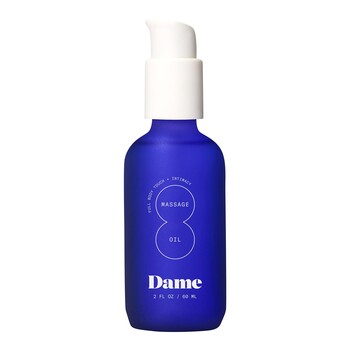
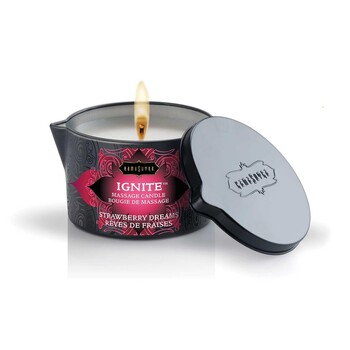
Once you've mastered a few simple massage techniques, the right finishing touches can make the experience feel even more special. Massage oils help your hands glide smoothly over the skin, while a softly glowing candle can add warmth and ambiance to your space. Adam & Eve's sensual massage and candles collection makes it easy to explore both, with options like the Dame Massage Oil and the Kama Sutra Ignite Sensual Massage Candle. Browse the collection to find your favorites and create a relaxing atmosphere that feels just right for you and your partner.
From here, a massage can lead wherever you and your partner want to take the rest of the evening. If you're both interested in building on it, guides like How to Have Blended Orgasms pick up with more specific techniques when you're ready for it.