Updated
How to Fix a Leaky Love Doll
Has your inflatable love doll lost some of its firmness? Don't panic just yet! A small puncture in the vinyl shell could be letting air escape, and you may be able to fix it with a vinyl patch kit.
First, make sure you're dealing with an inflatable PVC or vinyl doll that uses an air pump and valve. If your doll is made from solid TPE or silicone, the damage is a tear rather than an air leak, so you'll need a different repair method.
For an inflatable vinyl doll, the process is pretty straightforward: find the leak, clean and dry the area, apply a vinyl patch with the appropriate adhesive, and let it cure completely before adding air again. A small puncture may be an easy fix, but larger tears, damaged seams, or multiple leaks can be trickier to repair.
The key is to identify the damage and prepare the surface properly before patching. A little patience now can help your repair hold up better.
Step-by-Step: Patching a Vinyl Love Doll
- Find the leak. Inflate the doll fully, then listen closely for a faint hiss or run a damp hand slowly over the surface to feel for escaping air. If that doesn't turn it up, submerge the air chambers in a tub of water and watch for a steady stream of small bubbles, which pinpoints the exact spot.
- Get a vinyl patch kit. Choose one formulated for vinyl or PVC repair rather than rubber or TPE, since the glue and patch material need to match what the doll is actually made from.
- Clean and dry the area. Vinyl cement needs a clean, dry surface to bond properly, so wipe away any lotion, dust, or residue around the leak and let it air dry before you open the kit.
- Apply the patch. Cut a patch that extends at least an inch past the leak's edge on every side, spread the glue as the kit directs, and press the patch down firmly, smoothing out any air bubbles from the center toward the edges.
- Let it cure fully. Give the glue the full cure time printed on the kit, commonly 24 to 48 hours, before you reinflate the doll or put it back into use.
Choosing The Right Vinyl Patch Kit
Not all patch kits are created equal, so check the label before you buy. Look for a kit with adhesive specifically designed for vinyl or PVC to help ensure it bonds properly to your doll's material. Thin, transparent patches are another good option because they can sit relatively flat against the surface without making the repair stand out as much.
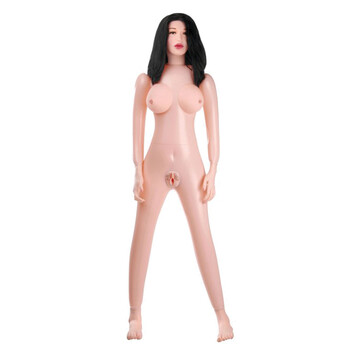
Before ordering anything new, check whether you already have what you need. The Miko Realistic Love Doll comes with an air pump and repair kit, so if that's the doll you own, your repair supplies may already be waiting in the original packaging. One less thing to shop for!
Working Safely While the Patch Cures
This part of the job is simple, but it's worth a few minutes of care. Work in a well-ventilated space, such as a room with a window open or a garage with the door up, and keep the area away from any open flame or spark, like a pilot light, space heater, or lit cigarette, while the glue is still wet. The fumes from vinyl repair glue can build up in a closed room, and that precaution lines up with guidance from the U.S. Consumer Product Safety Commission on solvent-based glues used at home. Beyond that, there's nothing technical about this step. Set the doll somewhere flat and out of the way, let the patch sit undisturbed, and give it the time it needs before you touch, bend, or reinflate the repaired area.
Common Patching Mistakes (and How to Avoid Them)
Most patches fail for a few simple reasons, and the good news is that they're easy to avoid.
Skipping the cleanup. Vinyl cement bonds to a clean, dry surface, not to leftover lotion, dust, or moisture that's often on a well-used doll. Wipe the area down and let it dry fully before the glue ever touches it.
Cutting the patch too small. A patch that just barely covers the hole has little surface area to grip, so size it generously, extending well past the edge of the leak on every side.
Rushing the cure. Reinflating or using the doll before the glue has fully set is one of the fastest ways to loosen a patch that would otherwise have held. Set a reminder if you need to, and leave it alone until the time on the kit has passed.
Assuming every leak is one simple puncture. These steps work well on an isolated hole in the vinyl. A patch is less reliable over a seam separation or when air is escaping from more than one spot at once. If you keep finding new leaks in different places, or can't pin down one clear spot after checking carefully, the damage may be at a seam rather than a single puncture, and a patch alone may not solve it.
Reaching for a vinyl kit on a solid doll. A vinyl patch kit is made for inflatable PVC or vinyl dolls, not for solid TPE or silicone material. A solid doll doesn't have an air chamber to lose pressure from in the first place, so what looks like a problem there is a tear, not a leak, and it needs its own fix. Check the care instructions for that specific doll rather than assuming a vinyl kit will work on it.
Shop Love Dolls at Adam & Eve
Once the patch has cured for the full time the kit calls for, the doll should hold air and perform the way it did before. If you're thinking about a new doll, a backup, or an alternative that skips air chambers altogether, Adam & Eve carries plenty of options. Browse the full Love Dolls category at Adam & Eve to compare inflatable and solid options side by side.