What Makes A Good Anal Lube?
If you're trying to figure out what lube to use for anal sex, you can keep the decision pretty simple: silicone-based lube or a thick water-based gel. Silicone is usually the better pick if you want something that lasts, while a thick water-based lube is an easy go-to if you want plenty of cushion and something that's compatible with a wide range of toys.
The main thing to look for is a lube that stays where you put it. A thin formula can disappear pretty quickly, which means you'll find yourself stopping to add more. A thicker gel tends to stick around and provides more cushioning, while silicone lube generally gives you the longest-lasting glide.
And yes, lube really does matter here. The anus doesn't produce natural lubrication, so there isn't much to offset friction on its own. The tissue is also delicate, which is why going slowly and using plenty of lubrication can make a big difference. Cleveland Clinic specifically recommends making sure you're adequately lubricated during anal sex to help reduce friction and the risk of small tears.
So, if you're standing in front of a wall of lubes wondering what you're supposed to buy, don't overcomplicate it. Choose silicone if you want staying power; choose a thick water-based gel if you want an easy, versatile option. Just make sure the formula is compatible with the condoms and toys you're using.
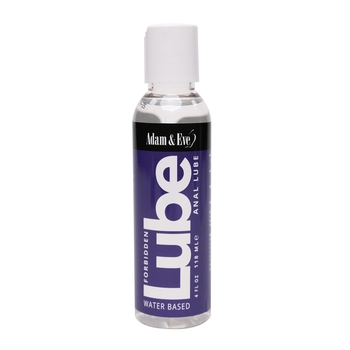
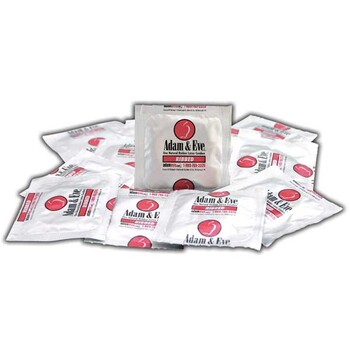
For a straightforward water-based option, Adam & Eve Forbidden Anal Lubricant is a thick gel made with anal use in mind. The product information says it's compatible with condoms and sex toys, so it covers the basics without requiring you to do much homework before using it.
At the end of the day, the brand matters less than the formula. You want something thick enough to provide some cushioning, slippery enough to reduce friction, and long-lasting enough that you aren't constantly reaching for the bottle.
How Much Lube to Use for Anal Sex and When to Reapply
Let's get one thing out of the way: you don't need to worry about using too much lube. Start with more than you think you'll need, and add more whenever things start feeling less slippery.
When you're getting ready, coat whatever is going in, whether that's a toy, your fingers, or a condom-covered penis. Don't just put a little on the tip. You want enough lube to cover the whole area that's going to be inside.
It's also worth putting some lube around the anus itself. Give it a moment before you start rather than rushing straight into penetration. And keep the bottle somewhere you can easily reach it. There's no reason to turn reapplying lube into an interruption.
When Should You Reapply Lube?
You don't need to keep track of how long the lube has been there. Pay attention to how things feel instead. If movement starts feeling sticky, draggy, or less comfortable, add more. It's better to reapply a little early than wait until there's noticeable friction.
The type of lube you're using also makes a difference. Water-based lube can dry out or absorb into the skin over time, so you'll generally need to add more. Silicone lube tends to last longer because it doesn't absorb into the skin in the same way or dry out as quickly.
And yes, it's completely normal to reapply lube during sex. Keep the bottle nearby and use more whenever you need it. That's what it's there for.
Water-Based vs. Silicone vs. Hybrid Lube for Anal Sex
Three types of lube show up most often: water-based, silicone, and hybrid. They mainly differ in how long they last, how easy they are to clean up, and which condoms and toy materials they're compatible with. All three can work well. The right choice really comes down to what you're using it with and how long you want the lubrication to last.
Water-based lube is the most flexible option. It rinses away easily with water and is generally compatible with all sex toy materials, which makes it a good choice when you're using different toys or aren't sure what something is made of. The tradeoff is that it can absorb into the skin or dry out, so you'll probably need to reapply more often. For anal sex, look for a thicker gel rather than a thin, runny formula. A thicker lube tends to stay where you put it and provides more cushioning.
Silicone lube is the long-lasting option. It doesn't absorb into the skin or dry out as quickly as water-based lube, so it tends to stay slippery for much longer. That's a big advantage for anal sex, where you may want more staying power. The downside? Cleanup takes a little more effort. You'll generally need soap and water rather than just a quick rinse, and silicone can leave a slick spot on sheets if you're not careful.
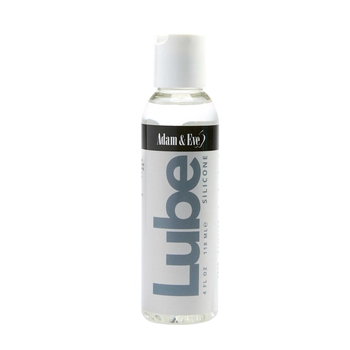
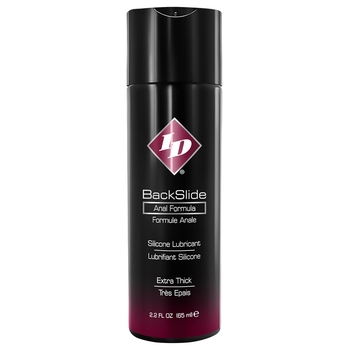
There's also one important compatibility issue to remember: silicone lube shouldn't be used with silicone toys unless the toy manufacturer specifically says it's safe. If you're using a silicone toy, water-based lube is the safer default. Adam & Eve Personal Silicone Lubricant and ID Backslide Extra Thick Silicone Anal Lubricant are two examples of silicone formulas, with the latter made specifically for anal use and listed as compatible with latex condoms.
Hybrid lube sits somewhere in the middle. It's a blend of water-based and silicone ingredients, so it can last longer than a standard water-based formula while being a little easier to clean up than pure silicone. If you like the idea of silicone's staying power but don't want quite as much cleanup, a hybrid can be a good middle ground.
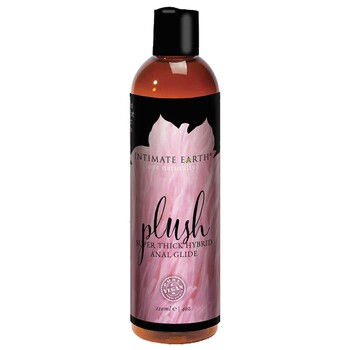
The same silicone-toy rule is worth keeping in mind with hybrids. Unless the product specifically says it's compatible with silicone toys, it's better not to use a hybrid formula with one. Intimate Earth Plush Anal Hybrid is one example of a hybrid formula made for anal use.
So, which should you choose? If you're using a silicone toy, or you aren't sure what material your toy is made from—a thick water-based lube is the simplest choice. With glass, metal, or stainless-steel toys, or when no toy is involved, silicone gives you the longest-lasting glide. And if you want something in between, a hybrid can give you some of silicone's staying power with easier cleanup.
Comfort Matters: How to Pace Yourself and What to Avoid
Good lube helps, but it isn't the only thing that makes anal sex more comfortable. Take your time, pay attention to how things feel, and don't be afraid to slow down. If something doesn't feel right, pausing or stopping is simply part of the process.
A little discomfort can happen, particularly if you're new to anal sex, but increasing or persistent pain is a reason to stop rather than push through it. Cleveland Clinic recommends taking things gradually and notes that pain can be a sign that you need more lubrication or that the muscles haven't had a chance to relax.
What About Desensitizing Lube?
Desensitizing lubes are designed to reduce sensation, usually with a topical anesthetic such as lidocaine. That can sound appealing if you're worried about discomfort, but there's a tradeoff: pain and discomfort are useful signals that tell you when to slow down or stop. Dulling those sensations can make it harder to notice when something isn't feeling right.
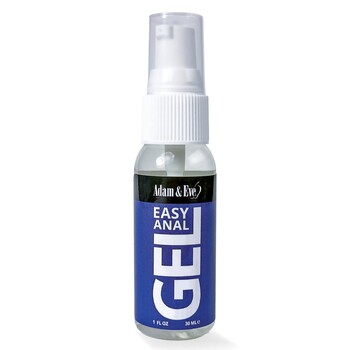
That doesn't mean you have to avoid these products altogether. It just means it's worth knowing what you're buying and why the formula works differently from a standard lubricant. For example, Adam & Eve Easy Anal Gel is a water-based desensitizing lubricant that contains 3.5% lidocaine. If you choose a desensitizing formula, follow the product's directions and pay attention to how your body feels rather than using the reduced sensation as a reason to push further.
Ingredients Worth Checking
You don't need to memorize a long list of ingredients to find a good anal lube. A couple are simply worth knowing about.
Nonoxynol-9 is one to skip for anal use. It's a spermicide rather than a lubricant, and products containing it may be marketed for contraception rather than specifically for anal sex. The FDA notes that nonoxynol-9 can irritate the rectum, so there's little reason to seek it out in an anal lubricant.
It's also smart to be cautious with formulas that contain fragrance, warming or cooling ingredients, or anything you've found irritating in the past. Everyone's skin is different, and an ingredient that feels fine for one person may be uncomfortable for another.
The good news is that choosing an anal lube doesn't have to involve decoding a chemistry textbook. Look at the ingredient list, stick with formulas that feel comfortable, and give yourself permission to switch products if something causes burning or irritation. If you prefer plant-based options, you can also look for lubes marketed as organic or made with plant-derived ingredients.
Lube Compatibility: Condoms, Toys, and What to Know
Choosing a lube isn't just about how slippery it feels. You also want to make sure it's compatible with whatever else you're using, particularly condoms and sex toys. Fortunately, the basic rules are pretty easy to remember.
If you're using latex condoms, stick with water-based or silicone lube. Oil-based products are the ones to avoid. Petroleum jelly, baby oil, body lotion, cooking oils, and coconut oil can weaken latex and increase the risk of the condom breaking. Planned Parenthood recommends using water or silicone-based lube with latex condoms rather than oil-based products.
Toys are a little more complicated because the material matters. Water-based lube is the easiest all-purpose choice and is generally compatible with all sex toy materials. Silicone lube, on the other hand, shouldn't be used with silicone toys unless the toy manufacturer specifically says it's compatible. Silicone lube can interact with some silicone toy materials and may damage the surface over time.
If you're using glass, metal, or stainless steel, you have more flexibility. These materials are compatible with water-based, silicone, and hybrid lubes, so you can choose based on how long you want the lube to last and how easy you want cleanup to be.
Not sure what your toy is made from? Go with water-based lube. It's the simplest option when you don't want to spend time figuring out material compatibility.
Here's the quick version:
- Latex condoms: Water-based or silicone lube
- Silicone toys: Water-based lube, unless the manufacturer says otherwise
- Glass, metal, or stainless-steel toys: Water-based, silicone, or hybrid lube
- Toy material you can't confirm: Water-based lube
- Latex condoms + oil-based lube: Skip it
And before you use anything new, take a quick look at the product label. If the manufacturer specifically lists compatible condoms or toy materials, that information should take priority over a general rule of thumb. It's a lot easier to check compatibility before you start than to discover you've got the wrong combination halfway through.
Find Your Anal Lube at Adam & Eve
Choosing an anal lube doesn't have to be complicated. Look for a thick formula, use plenty, and add more whenever things start feeling less slippery. Then check that the lube is compatible with your condoms and toys. Those basics will get you much closer to the right choice than simply picking a bottle based on its brand name.
Our anal sex lubes section is where the thick water-based gels, the silicone formulas, and the hybrids sit together, so you can compare bases side by side rather than one product page at a time. Forbidden Anal Lubricant is the straightforward place to start if you want a bottle that answers both compatibility questions, and the silicone options are there when a longer glide matters more. If you're still deciding on the rest of it, the anal toys guide and our guide to anal sex cover preparation and pacing in more depth.
At the end of the day, the right anal lube is the one that works with what you're using and feels good for you. Choose the formula that fits your condoms and toys, keep plenty within reach, and don't be shy about reapplying.