What Counts as a Side-Lying Position? (Spooning, Face-to-Face & More)
Side lying sex positions are less a single move than a family of setups built around one idea: both partners stay on their sides, angled toward or away from each other, instead of lying flat on their backs or stomachs. That simple shift changes how weight gets distributed, how close your bodies stay, and how much penetration depth or angle you can reach.
The most familiar version is spooning, where both partners face the same direction and one partner enters from behind. A face-to-face side-lying position works the same way but with partners looking at each other, legs intertwined. A third variation, sometimes called the Pretzel, has one partner lying on their side while the other kneels and wraps the lying partner's leg around them, which gets you closer to the depth of a rear-entry position while you're still facing each other.
Rather than following a rigid set of movements, side-lying positions center around a shared benefit: letting the mattress carry your weight. By relieving pressure on your arms, lower back, and hips, this relaxed alignment creates a close, full-body connection that upright or seated setups simply can't replicate.
How to Set Up Side-Lying Sex Positions
Getting into a side-lying position starts with deciding which way you want to face. For spooning, both partners lie on their sides facing the same direction: the partner being entered curls slightly forward while the other partner settles in close behind. For a face-to-face version, you lie across from each other and drape one leg over your partner's hip or thigh to open up the angle.
From there, small adjustments do most of the work. Bending the top leg forward, pulling a knee up toward your chest, or tucking a pillow under one hip changes the angle without either partner needing to hold themselves up with their arms. Because so little of your body weight rests on a single joint, side-lying positions tend to be easier to settle into for a while without the fatigue that comes from bracing on your hands or knees.
If you want more depth, the kneeling-partner variation adds a different kind of setup: one partner stays on their side while the other kneels behind or beside them and lifts one leg to adjust the angle. That version takes a little more coordination, so it helps to settle into the basic facing position first and adjust from there once you're both comfortable.
Spooning, Face-to-Face, and Other Side-Lying Variations
Spooning is the most familiar side-lying setup. Both partners face the same direction, one lying close behind the other, with rear-entry penetration. It asks for very little adjustment once you're settled, which makes it an easy position to fall into after a slower start or when you're already lying close together.
Face-to-face side-lying trades that ease for eye contact and more full-body contact. Partners lie across from each other, and the partner being entered drapes a leg over their partner's hip to open the angle. It takes a bit more cooperation to find a comfortable fit, but it keeps hands free for touching, and talking or kissing stays easy throughout.
The kneeling-partner variation, sometimes called the Pretzel, changes the geometry again. One partner stays on their side while the other kneels and lifts the lying partner's leg, which can allow deeper, rear-entry-style penetration while you're still facing each other. Depth and angle shift depending on exactly how the kneeling partner positions themselves, so it rewards a little experimentation.
Spooning fits best when you want closeness with minimal effort. Face-to-face side-lying suits partners who want eye contact and more full-body connection. The kneeling-partner variation fits when you're looking for more depth without giving up the closeness side-lying provides.
Comfort, Support, and Finding Your Rhythm in the Side-Lying Position
One of the biggest benefits of the side-lying position is how relaxed it can feel. With both partners supported by the bed, there's less need to hold yourself up with your arms or maintain a position that puts pressure on your back, hips, or knees. Take your time getting comfortable, communicate about what feels good, and remember that you can adjust your position whenever you need to.
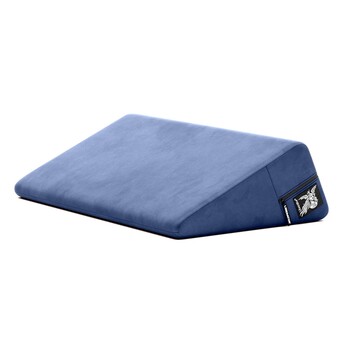
Pillows can make a noticeable difference, too. Try placing one between your knees, beneath your upper leg, or behind your back for added support. A wedge pillow can also help maintain a comfortable angle without requiring you to hold your body in place. Small adjustments to your leg position or the distance between partners can help you find a setup that feels natural for both of you.
Side-lying can be especially appealing if you prefer a slower pace, want to minimize physical effort, or find that some positions put too much pressure on your joints. It's also an option worth discussing with your healthcare provider during pregnancy. As pregnancy progresses, side-lying is generally preferred over lying flat on your back for extended periods, particularly later in pregnancy. Your provider can help you determine which positions are most comfortable and appropriate for your individual needs.
The goal is to find a position that feels good for both partners, without unnecessary strain or pressure. Keep communicating, make adjustments as needed, and let comfort guide the experience.
Making the Side-Lying Position Work for You
One of the advantages of the side-lying position is how easily you can adjust it to suit your preferences. Changing your leg position, shifting your hips, or adjusting the distance between partners can influence the angle and depth of penetration, whether you prefer the close contact of spooning or a slightly different variation.
Comfort is another benefit. Because the bed supports much of your body weight, side-lying can require less effort than positions that involve supporting yourself on your arms or knees. This can make it a relaxed option when you're tired or simply want a slower pace. A pillow between your knees, beneath your upper leg, or behind your back can provide additional support, but no special equipment is necessary.
Side-lying can also accommodate a range of body types and mobility preferences. During pregnancy, it may be a particularly comfortable option as your body changes, especially later in pregnancy when lying flat on your back for extended periods is generally discouraged. If you have specific pregnancy-related concerns or physical limitations, your healthcare provider can help you identify comfortable options for your circumstances.
The key is flexibility. Small adjustments can make a meaningful difference, so focus on finding a position that feels natural and comfortable for both partners.
Positioning Pillows and Wedges for Added Comfort
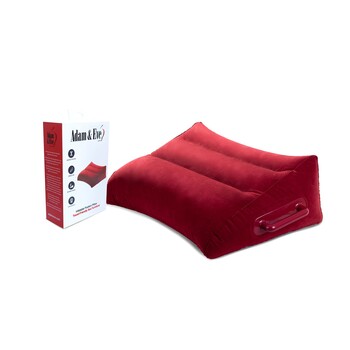
You don't need special equipment to enjoy the side-lying position, but a little extra support can make getting comfortable easier. Positioning pillows and wedges help support the body, maintain a comfortable angle, and reduce the effort needed to hold a position. Depending on how you like to lie together, that extra support can make spooning, face-to-face variations, and other side-lying positions more comfortable.
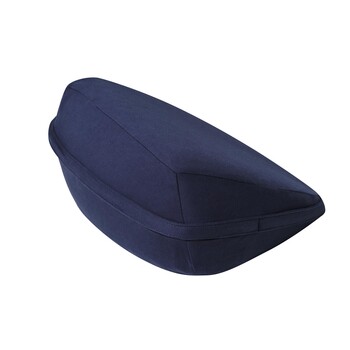
There are several options to consider. An inflatable positioning pillow offers adjustable support, while a firmer wedge can help maintain a particular angle without constant readjustment. Adam & Eve's Inflatable Position Pillow, the Liberator Wedge, and the Dame Pillo are examples of positioning aids designed for different support preferences.
Explore Adam & Eve's positioning aids collection to compare styles and find an option that suits your space and comfort needs. Sometimes, a small adjustment is all it takes to make a familiar position feel more relaxed.