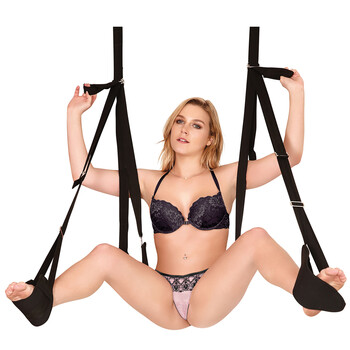
How to Mount a Sex Swing to a Ceiling Joist
A secure sex swing ceiling mount needs to be attached to solid structural framing—not drywall alone. In most homes, that means locating a ceiling joist, the wood beam behind the finished ceiling, and installing the appropriate heavy-duty mounting hardware into the joist. The goal is a connection that transfers the load into the home's framing rather than relying on the drywall to hold it.
Drywall provides the finished surface of the ceiling, but it isn't designed to support the dynamic weight and movement of a person using a swing. Guidance from California's Division of the State Architect on suspended drywall ceilings, for example, limits those ceilings to lightweight fixtures and calls for heavier loads to be supported by the structure above. That makes the underlying framing an important consideration when choosing where to install a ceiling swing mount.
Once you've identified a suitable joist and confirmed that the mounting hardware is appropriate for the installation, the process is relatively straightforward for someone comfortable using a stud finder, ladder, and drill. Choose a location with enough clearance for the swing to move without contacting walls, furniture, doors, or other obstacles. Then follow the installation instructions supplied with your particular swing and mounting hardware; when manufacturer instructions differ from general guidance, follow the manufacturer's specifications.
Before using the swing, inspect the mounting point and hardware and perform a careful, gradual test rather than immediately putting full weight on the setup. Recheck the connection periodically, particularly during the first few uses or if the mount shows any movement, loosening, or other signs of stress.
Taking the time to establish a properly supported mounting point is what makes the rest of the setup easier. Once the installation has been checked and the surrounding space is clear, you can focus on using the swing rather than wondering whether the ceiling connection is secure.
Tools and Steps for Installing a Ceiling Hook
Once you've chosen the right location, gather everything you'll need before getting on the ladder. For a typical ceiling-mounted swing installation, that means a sturdy ladder, a stud finder, a drill with the appropriate bit, and a heavy-duty eye bolt or other mounting hardware recommended by the swing manufacturer.
The mounting method can vary from one swing to another, so always start with the instructions that came with your particular model. For example, the
Trinity 360 Spinning Sex Swing
uses an I-bolt secured into a ceiling joist, while the
Adam & Eve Spinning Sex Swing
is designed for ceiling mounting and includes its own installation instructions. These product-specific instructions should take priority over any general installation advice.
How to Install a Ceiling Swing Mount
With your tools ready and the mounting location selected, work through the installation carefully:
- Find the ceiling joist. Run your stud finder across the ceiling and mark the center of the joist. The mounting point needs to be in solid structural wood, not just drywall or a hollow space.
- Drill a pilot hole. Drill straight into the center of the joist using a bit sized appropriately for your mounting hardware. The pilot-hole size can vary depending on the bolt and the type of wood, so check the manufacturer's specifications before drilling.
- Install the eye bolt or mounting hardware. Thread the bolt into the pilot hole until it is firmly seated in the joist. Don't rely on the drywall to support the hardware.
- Attach the swing. Connect the swing to the installed hardware exactly as described in the product instructions. Use the hardware supplied with the swing or the hardware specifically recommended by its manufacturer.
- Inspect everything before use. Check that the mounting hardware is secure, the swing is properly attached, and there are no visible signs of movement or damage before proceeding to the initial test.
Why the Pilot Hole Matters
The pilot hole isn't just a step to make drilling easier. Its size helps the mounting hardware engage properly with the wood without unnecessarily damaging the joist. The correct diameter depends on the specific bolt, the wood, and the manufacturer's recommendations, so avoid choosing a drill bit based on guesswork.
If the swing or mounting hardware comes with installation specifications, follow those instructions first. When the manufacturer's guidance differs from general advice, the product-specific instructions should take precedence.
Most importantly, a ceiling-mounted swing should be attached to an appropriate structural support point rather than drywall alone. If you're unsure whether a particular ceiling can support the installation or can't confidently identify a suitable joist, consult a qualified professional before drilling.
Door Swings, Stands, and Other No-Drill Options
If drilling into the ceiling isn't an option, or you'd like to try a swing before you commit to a mount, a door swing or a freestanding stand lets you set one up without a single hole overhead. Each asks something different of your space, so it helps to picture where it would go before you choose.
The Adam & Eve Naughty Couples Door Swing sets up without tools. You toss its two capped anchors over the top of a door and close the door, and the anchors stay on the other side while you play, keeping the swing in place. It supports up to 220 pounds when used on a sturdy, closed interior door, so pick a solid door you can keep shut the whole time. The padded seat's straps and the stirrups both adjust, and nylon hand loops give you something to hold onto, which can make it easier to find a position that feels comfortable.
Putting it away is just as easy: open the door, take the swing down, and store it in a closet or under the bed. It's made from metal, nylon, and acrylic, and it can even pack into your suitcase when you travel, which makes it a practical choice for renters and for anyone who wants to try a swing without changing their home.
A freestanding stand is another way to skip the drill. It can be taken apart and stored between uses, but it needs open floor space, and its attachment points have to match the ones on your swing. Check both before you pair a stand with a swing, so everything connects the way each maker intended.
Sometimes what you're after is extra support and new ways to get comfortable in different positions rather than the feeling of hanging. Liberator shapes and position aids offer that support without any hardware at all, and our guide to what sex furniture is explains how those pieces work if you'd like to compare them with a swing.
Testing Your Setup and Staying Comfortable Together
Once your swing is installed, take your time testing it before anyone fully gets in. Start by pulling down firmly on the swing with your hands, then gradually put some weight into the seat. Increase the load slowly rather than climbing in all at once.
As you test it, pay attention to anything that feels or sounds unusual. The mount, ceiling, door, or hardware should stay firmly in place without shifting, cracking, or making unexpected noises. If anything moves or sounds wrong, stop, get out of the swing, and inspect the setup before continuing. Always stay within the swing manufacturer's stated weight limit and use the hardware recommended for that particular model.
If you're testing the swing with a partner, talk through the process before getting in. Go slowly, communicate about how the setup feels, and give either person room to pause or stop at any point. Consent isn't a one-time decision; either person can change their mind or ask to stop at any time.
Once the swing feels secure, adjust the straps and stirrups so the seat supports you comfortably. Start with small, controlled movements to get a feel for how the swing responds to your body and how much movement the mounting point allows. It's also worth practicing how you'll get in and out before trying more active movement.
Once you're comfortable with the setup, you can move on to using the swing. Our guide to how to use a sex swing covers positioning, getting in and out, and other practical tips for a more comfortable experience.
Weight Limits, Renting, and Keeping Your Setup Discreet
Check the Weight Limit for Your Swing
There isn't a universal weight limit for sex swings. The maximum weight depends on the specific swing, its mounting system, and the hardware the manufacturer designed it to use. Always follow the weight limit listed for your particular model rather than assuming one swing can support the same amount as another.
For example, listed capacities can vary considerably between models:
•
Adam & Eve Naughty Couples Door Swing:
up to 220 pounds on a sturdy, closed interior door
•
Adam & Eve Spinning Sex Swing:
up to 265 pounds
•
Trinity 360 Spinning Sex Swing:
up to 400 pounds when used with its specified chain
Keep in mind that a manufacturer's weight rating assumes the swing is installed as intended. A ceiling-mounted swing needs a properly supported mounting point, while a door swing needs a sturdy, closed door that can support the setup. Using a different hook, bolt, chain, or other hardware can change the way the swing is supported, so it's best to use the components specified by the manufacturer.
Can You Use a Sex Swing in a Rental?
If you're renting and don't want to drill into the ceiling, a door-mounted swing can be a practical option. These models typically attach to a sturdy, closed interior door without permanent installation, so they can be removed when you're finished.
A freestanding sex swing stand is another option if you have enough floor space. It doesn't require a ceiling mount or permanent changes to the property, although you'll need enough room around the stand for the swing to move safely.
How Do You Hide a Sex Swing?
If privacy is a concern, storage is usually the simplest solution. A ceiling-mounted swing can be unhooked between uses and stored in a closet, under the bed, or somewhere else out of sight. The mounting hardware may remain in the ceiling, but the swing itself doesn't have to be visible.
Door swings offer a little more flexibility for discreet storage because the entire setup can usually be removed and put away after use. A freestanding stand can also be disassembled or moved to a storage area when you don't want it out in the open.
The best option ultimately depends on your space, whether you rent or own, and how easily you want to be able to put the swing away between uses.
Choosing a Sex Swing That Fits Your Space
The best setup depends on your space and how you want to install the swing. If you have a suitable ceiling joist with enough clearance around it, a ceiling-mounted swing can give you plenty of room to move. If you don't want to drill into the ceiling, a door-mounted swing can be a simpler option, provided you have a sturdy, compatible door. A freestanding stand is another alternative if you have enough floor space and prefer a setup that doesn't require permanent installation.
From there, compare the details that change how a swing feels. The Adam & Eve Spinning Sex Swing has a spinning chain for changing position and a spring for bounce, along with foot stirrups and fully adjustable padded straps. By comparison, the Trinity 360 Spinning Sex Swing has a swivel hook that spins a full circle, a tension spring, and an adjustable padded back, seat, and leg straps, plus the highest listed weight capacity. Because spinning swings rotate, give them room on every side.
Once you know where your swing will hang, browse sex swings at Adam & Eve to compare styles, features, and listed weight limits side by side. Still deciding which kind suits you? This guide to what sex swings are and how they differ is a helpful place to start.