What Are Bondage Toys
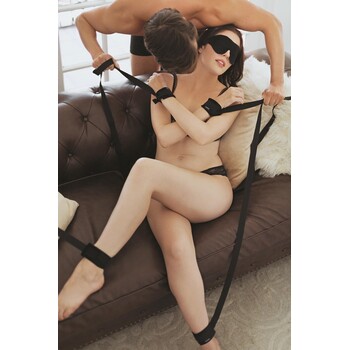
Bondage toys are designed to add restraint, support, or sensory play to consensual sex. Rope is probably the best-known example, but it’s just one part of a much larger category.
For beginners, that can actually be a good thing. You don't have to start with rope or anything complicated. Adjustable cuffs and blindfolds are simple ways to experiment, while bondage kits can be useful if you want several pieces that work together. Other options include ties, gags, nipple clamps, position aids, and sex swings, depending on the kind of play you're interested in.
At Adam & Eve, you can browse bondage toys by type, making it easier to compare options without having to know exactly what you're looking for before you start.
And if you're wondering whether an interest in bondage is unusual, research suggests it's fairly common. In a nationally representative survey of about 2,000 US adults, roughly 1 in 5 said they had tied up a partner or been tied up themselves.
The important part isn't choosing a particular type of bondage toy. It's finding something that fits what you and your partner are comfortable exploring together.
How to Choose Your First Restraints
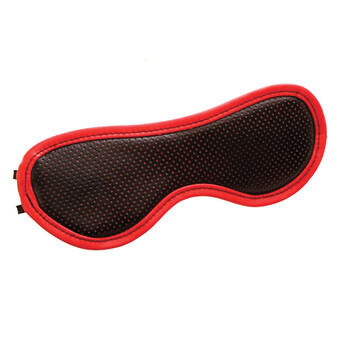
Start with whatever genuinely appeals to you and feels easy to try. For many people, that might be a blindfold. It doesn't restrict movement, the person wearing it can remove it whenever they want, and taking away sight can make familiar touches feel completely different. If one person is curious and the other is still on the fence, a blindfold can be a simple way to explore the idea together.
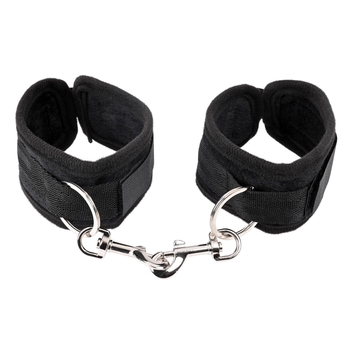
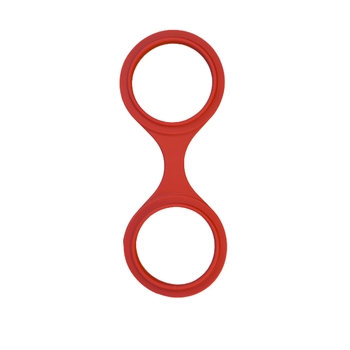
If you're ready to try restraints, look at how they fasten and release. Buckles, ties, and hook-and-loop closures can all work, but you want something that can be loosened quickly when needed. Comfort matters, too, so look for cuffs that fit securely without digging into the skin or putting unnecessary pressure on the wrists or ankles. Rigid metal handcuffs offer less adjustability and may not be the most comfortable place to start. The Sportsheets Beginners Handcuff and Silicone Cuffs are two options worth comparing.
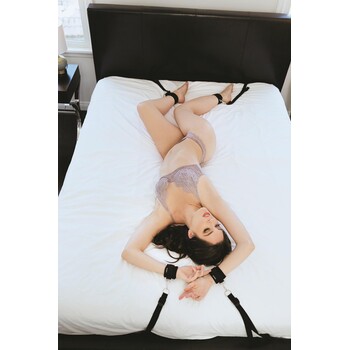
Next, think about where the restraints will attach. Cuffs alone don't keep someone in one position unless they're connected to an anchor point. An under-the-bed restraint system or door-jam cuffs can provide that connection, so decide where and how you want to use the restraints before choosing your setup.
If you'd rather not piece everything together yourself, a starter kit can be an easier option. Bondage kits typically include several pieces designed to work together, so you can try different types of play without choosing every component individually. The Beginners Bondage Fantasy is one option to consider, with more starter sets available in the bondage kits collection.
Bondage Toys Compared: Cuffs, Rope, Blindfolds and Kits
Blindfolds are one of the simplest ways to explore bondage because they don't restrict movement. Taking away sight can make familiar touches feel different and add a sense of anticipation, while the person wearing the blindfold can remove it whenever they want. If you're curious but not ready for restraints, a blindfold can be an easy place to start. You can browse options in the masks, blindfolds and gags collection.
Cuffs offer more physical restraint, but they don't have to be complicated. Look for padded, fabric, or silicone cuffs with a closure that's easy to adjust and release. If you plan to keep someone in place, you'll also need an appropriate anchor, such as an under-the-bed restraint system or door attachment. Choosing the cuffs and anchor together can make it easier to create a setup that works as intended.
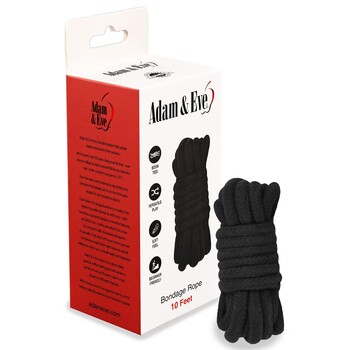
Rope takes a little more practice than cuffs. Using it safely means learning how to tie and untie knots, avoid putting too much pressure on the body, and release the restraint quickly when needed. If you're interested in learning those skills, bondage rope can be a good next step once you're comfortable with simpler restraints.
Bondage kits can be useful if you'd rather have several pieces to experiment with instead of choosing everything individually. A starter kit can give you cuffs, blindfolds, and other accessories in one package, making it easier to try different types of play without building a collection piece by piece.
There's no required order for trying these options. A blindfold can be a low-pressure introduction, cuffs can add physical restraint, rope offers a skill-based option for people who want to learn, and a kit can give you a little of everything to explore.
Safewords, Comfort Checks and a Way Out
Good bondage starts with knowing how to stop. Keep restraints away from the neck, and choose products that you can release quickly if something doesn't feel right. A collar can be part of the look, but it shouldn't be used as an attachment point.
Before you start, agree on a safeword or another clear signal that means “stop.” Choose something easy to remember and unlikely to come up accidentally during play. And remember that consent can change at any point. Anyone involved can pause or stop, whether they've used the safeword or simply say they’re no longer comfortable.
It's also smart to keep a way to release the restraints close by. Safety scissors or a quick-release buckle can make it easy to free someone quickly if needed, and anyone who is restrained should be able to get help rather than being left alone. There isn't a reliable time limit for how long someone can comfortably stay restrained, so don't treat the clock as a safety measure. If something starts to feel wrong, release the restraint and check in.
Check in with each other as you go, too. A quick “How does that feel?” can tell you more than trying to read someone's body language. If a restraint causes numbness, tingling, pins and needles, unusual pain, coldness, or a change in skin color, take it off and check the area. Comfort is part of the experience, not something you have to push through.
How To Clean and Store Bondage Toys
Cleaning your bondage toys doesn't have to be complicated. Start with the care instructions for each item, since materials can vary between silicone, fabric, leather, metal, and other finishes. Wipe down non-porous surfaces after use and let everything dry completely before putting it away. For anything that comes into direct contact with the body, use the cleaning method recommended for that material.
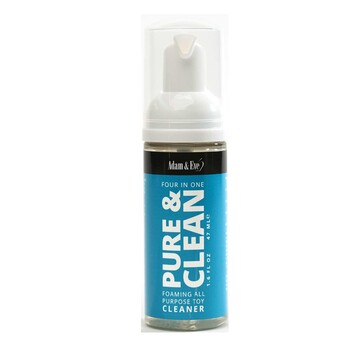
If a toy is insertable, give it extra attention, especially if it's being shared. For toys that are safe to wash with soap and water, mild, unscented soap and warm water can work well; a toy cleaner is another option when it's compatible with the material. Always check the manufacturer's instructions before getting an item wet. Using a condom or another appropriate barrier can also make sharing insertable toys easier to manage.
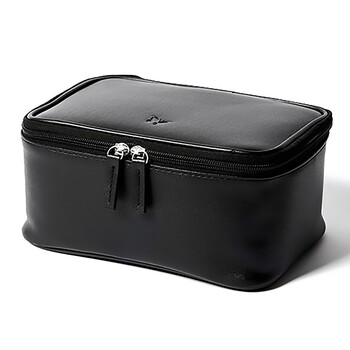
When you're not using your bondage gear, store it somewhere clean and dry, ideally in a bag, case, or lidded box. Keeping everything together makes it easier to find when you want it, while a closed container also keeps your gear away from dust, pets, curious visitors, or anyone else who might come across it. You don't need anything elaborate as a simple bag or box is usually enough.
Build Your First Bondage Setup
Your first bondage setup doesn't need to be elaborate. A blindfold, a pair of adjustable cuffs, and an appropriate anchor can give you plenty to explore. Agree on a safeword before you start, keep a way to release the restraints quickly, and make sure everything you need is within easy reach.
If you'd rather skip the assembly, a bondage kit puts several pieces together in one package. If you'd prefer to choose everything yourself, start with the basics and add pieces as you figure out what you enjoy. There's no need to buy everything at once or follow a particular order.
Ready to explore? Browse bondage toys at Adam & Eve and see what catches your eye.