What Is The Roll Over Sex Position
The Roll Over is an intermediate position that turns cowgirl into a close, face-to-face side-by-side position in one continuous movement. Rather than stopping to change positions, you stay connected as the partner on top leans forward, bringing your bodies chest to chest before you both roll onto your side together. Once you settle, you’re facing each other with your legs extended, and the partner who started underneath can take a more active role in the movement.
What makes the Roll Over different is the way the transition itself becomes part of the experience. You don’t have to break contact or completely reset to change positions as the two of you move together, shifting the lead as you go. That makes coordination more important than strength. Agreeing on which direction you’ll roll and moving at the same time helps the transition feel deliberate and smooth.
Adam & Eve rates the Roll Over as intermediate, making it a good choice when you’re comfortable with the basics and ready to try something that requires a little more coordination. It isn’t dependent on anatomy or on one partner always taking the lead; the movement works by having both partners participate in the transition.
The finished position is close, relaxed, and naturally suited to a slower pace. If you like staying connected while changing positions and want a move that lets you trade who takes the lead, the Roll Over offers both without turning the transition into a pause.
How to Roll From Cowgirl Onto Your Sides
Take the Roll Over in stages, and don’t feel like you have to complete the transition the first time you try it. You can pause at the chest-to-chest position, adjust your balance, talk through which way you want to move, and continue when you’re both ready. If you prefer to stay there for a while, that works too. The goal is a comfortable, coordinated transition—not getting from one position to the next as quickly as possible.
- Start in basic cowgirl, with the partner on top straddling or kneeling and finding an angle that's comfortable for both of you.
- The partner on top leans forward and rests chest to chest, taking some of their weight on their forearms or hands. From here they can keep setting the pace with smaller, closer movements.
- Slow down before you go anywhere. The roll is much easier from a gentle rhythm than from a fast one.
- Agree out loud on which side you're rolling toward. Something as short as "ready, this way" does the job.
- Roll at the same moment, together, with the partner underneath turning into the roll rather than waiting to be taken along. Then stretch your legs out and settle in facing each other.
Straightening your legs as you settle onto your sides helps you come to a controlled stop and gives both of you a stable position to move from. Once you’re there, take a moment to get comfortable and make any small adjustments before continuing.
It also helps to agree on the direction of the roll before you start. You don’t need a detailed conversation. Just knowing which way you’re going gives both partners the same cue to move together. Some research supports the broader value of sexual communication: a review of 48 studies involving more than 12,000 participants found that sexual communication was associated with better sexual function and satisfaction. In practice, even a quick “this way?” or “ready?” can make a coordinated transition feel much easier.
Angles, Pacing, and Variations
Choose the direction of the roll based on the space around you. You want enough room on the side you’re rolling toward for both of you to settle comfortably, without ending up against the edge of the bed.
It can help to let the partner underneath choose the direction, since they have less control over where their body will land once you roll. Before you start, check where your arms and knees are likely to go. If an arm ends up underneath you during the transition, move it into a comfortable position beside you or above your head before settling in.
Once you're settled, a few small adjustments change how it feels:
- Legs extended, both of you. This gives you the most full-body contact and stays closest to the original shape of the move, so it's worth trying before you adjust anything else.
- One leg hooked over your partner's hip. Hooking a leg opens the angle and brings you closer at the hips, and either of you can be the one to do it.
- Staying chest to chest longer before you roll. The first half is where the partner on top sets the pace, so there's no rule that says you have to move on quickly.
It's also fine to treat each half as its own position. Some people prefer leading from on top and roll over mainly to rest, while others are waiting for the side-by-side half, where being face to face at eye level is the whole appeal. Pacing is the one real limit here. The side-by-side finish isn't built for fast, hard movement, because neither partner has much leverage lying down, and pushing for speed is usually what makes it come apart. If you like the close, face-to-face finish of the Roll Over but want to skip the transition, the scissoring spoon position is another option to try.
How to Stay Comfortable During the Roll Over
A quick check-in before you roll can make the transition much easier. Agree on which way you’re going, decide when you’ll move, and make sure either of you can pause or stop if something doesn’t feel right. You don’t need to overthink it—a simple “ready?” is enough. Consent can also change at any point. As UCR's consent education consent education explains, either partner can withdraw consent, and the activity should stop when they do.
It’s also worth checking your surroundings before you start. Make sure there’s enough space on the side you’ve chosen, move long hair out of the way, and check that the underneath partner’s arms have somewhere comfortable to go. Once you’ve rolled onto your sides, take a moment to settle rather than immediately continuing. A pillow under the lower partner’s head or between the knees can also make the position more comfortable if anything feels strained.
Common Roll Over Problems and How to Fix Them
Slipping apart during the roll is the most common thing that happens, and it doesn't mean you did it wrong. The angle changes a lot in a second or two, so coming apart mid-roll is completely ordinary. If it happens, finish the roll, get settled facing each other, and start again from there rather than trying to fix it halfway through. Some people find that slowing the roll almost to a crawl solves it entirely, while others prefer to come apart on purpose and reconnect once they're on their sides. Either approach is fine.
Space is the other common problem. A couch or a smaller bed can work, but you need roughly one body's width of clear room on the side you're rolling toward, so choose that direction deliberately instead of defaulting to whichever feels natural. On a narrow surface, starting closer to one edge and rolling toward the open middle gives you the most room to land in.
If the first attempt feels awkward, slow it down and try again. The Roll Over depends on both partners moving together, so it can take a few attempts to find the right timing.
If the transition feels rushed, pause at the chest-to-chest position and get comfortable before continuing. From there, agree on the direction you’re rolling and move together when you’re both ready. If the second half still doesn’t feel natural after a few tries, there’s no reason to force it. You can stay in the chest-to-chest position or try another variation that feels more comfortable for both of you, such as the 69th Street Bridge or other types of missionary variations.
What to Keep Within Reach
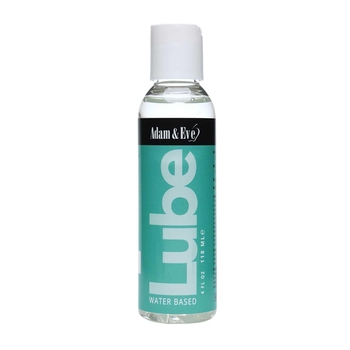
Keep lubricant within easy reach during the Roll Over. Because the position involves a slow transition and a change in angle, adding more lubricant can help reduce friction and keep the movement comfortable. Having it nearby also means you can reapply without interrupting the experience.
If you’re not sure which type to use, water-based lubricant is a versatile starting point and is compatible with most condoms and sex toys.
Once you’re on your sides, you have more freedom to use your hands than you did during the transition. If you enjoy using a couples vibrator, this can be a convenient point to introduce one without having to change position. Keeping a pillow within reach can also be helpful if you want a little extra support under your head or between your knees.
If you’re getting ready to try the Roll Over, having lubricant and anything else you might want nearby means you won’t have to interrupt the position later. Browse lubes at Adam & Eve or explore more sex positions if you’re ready to try something different.