How to Safely Heat or Cool a Glass Dildo
If you want to warm up or cool down a glass toy, you don’t need anything complicated. A bowl of warm or cool tap water is all you need. Let the toy sit in the water for a few minutes, then dry it thoroughly and test the temperature against the inside of your wrist or forearm before using it. It should feel comfortably warm or cool—not hot or painfully cold.
For warming, stick with comfortably warm tap water rather than using boiling water, a kettle, or a stovetop. Water that feels pleasant to your hand is a better guide than trying to reach a specific temperature.
For cooling, cool tap water is usually enough. You can add a few ice cubes if you want the toy colder, but skip the freezer. Glass can be sensitive to sudden temperature changes, which can create uneven expansion or contraction and potentially cause it to crack. The Ceramic and Glass Industry Foundation explains that these rapid temperature changes can put enough stress on glass to cause damage. If you’re changing from one temperature to another, let the toy adjust gradually first rather than moving it straight from very hot water to very cold water, or vice versa.
The basic rule is simple: use water, change the temperature gradually, and always test the toy before use.
How Long Should You Soak A Glass Dildo
You don’t need a stopwatch to heat or cool a glass toy. A few minutes in the water is generally enough to change its temperature, and the best way to know when it’s ready is to test it before use.
Here’s the simple process:
- Fill a bowl with warm tap water—not boiling water or water straight from a kettle.
- Submerge the toy and let it sit for a few minutes.
- To cool the toy, use cool tap water and add a few ice cubes if you want it colder.
- Take the toy out, dry it thoroughly, and hold it against the inside of your wrist or forearm for several seconds.
- If it feels comfortable against your skin, it’s ready to use. If it feels too hot or too cold, let it return closer to room temperature and test it again.
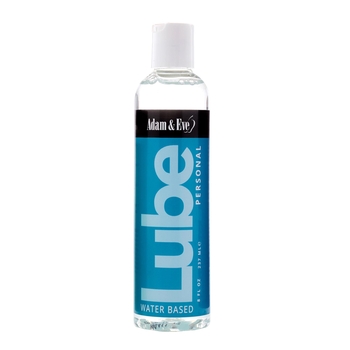
- Add lubricant after testing the temperature so water doesn’t dilute it.
If you’re switching from hot to cold or cold to hot, let the glass adjust gradually first. Running room-temperature water over it before changing temperatures can help avoid a sudden temperature shift.
There’s no exact soaking time because the water temperature, amount of water, and size of the toy can all affect how quickly the glass changes temperature. The wrist test is the important part: your skin gives you a quick way to check whether the toy feels comfortable before it comes into contact with more sensitive areas.
Warm vs. Cool Glass: What to Expect
Warm and cool glass can create noticeably different sensations, even when you’re using the same toy. Warm glass tends to feel gentler and more familiar because it’s closer to body temperature, while cool glass creates a sharper contrast that you’ll notice right away. Some people prefer one over the other, while others enjoy switching between them.
The shape and texture of the toy can change how that temperature feels, too. A smooth, rounded surface creates more even contact, while ridges or other textures can make the sensation feel more concentrated as the toy moves.
The type of glass can also matter when you’re changing temperatures. Borosilicate glass, for example, is designed to handle temperature changes better than some other types of glass. Check the product details to confirm what your toy is made from and follow its care instructions.
There’s no single temperature or approach that feels best for everyone. Start with a comfortable temperature, test the toy against your skin first, and adjust from there based on what you prefer.
Using Warm or Cool Glass Safely With a Partner
If you’re using a warm or cool glass toy with a partner, talk about it before you begin. Let them know what you’re planning to use, how it will feel, and what temperature to expect. It can also help to agree on a simple way to pause or stop, especially if you’re trying a new sensation.
Before using the toy on more sensitive areas, let your partner feel it against their forearm first. This gives them a chance to decide whether the temperature feels comfortable before you continue. Start gently and check in as you go. What feels pleasantly warm or cool to one person may feel too intense to another.
Pay attention to how the skin responds during and after use. Stop if there’s pain, stinging, numbness, burning, or discomfort that doesn’t quickly go away. Give the area time to return to its normal temperature before trying again, and seek medical advice if pain persists or you notice blistering or other significant skin changes.
It’s also worth checking the glass before every use. Run your fingers over the surface and look for cracks, chips, or other damage. If you find any, don’t use the toy.
Why You Shouldn’t Use a Microwave or Freezer
A microwave or freezer might seem like a quick way to change the temperature of a glass toy, but neither gives you much control over the result. A water bath is a safer and more predictable option.
Microwaves can heat unevenly, creating hot spots that aren't obvious from the outside. The FDA notes that microwave-related burns can result from overheated food, containers, and liquids, including water. That makes a microwave a poor choice for something you'll be using against sensitive skin.
The freezer presents a different risk. A toy that's been sitting in freezing temperatures can become far colder than you intended, making the sensation uncomfortable or potentially harmful with prolonged contact. Simple cool tap water, and a few ice cubes, if desired, can provide a more controlled way to chill it.
Avoid sudden temperature changes, too. Moving glass directly from very hot water to very cold water, or the other way around, can put stress on the material and cause it to crack. If you want to change from warm to cool, or cool to warm, let the toy return closer to room temperature first.
Boiling water and dishwashers are best avoided unless the manufacturer's instructions specifically say they're safe. Glass toys can differ in their construction and temperature tolerance, so check the product's care instructions whenever you're unsure.
Simple Care for Glass Toys
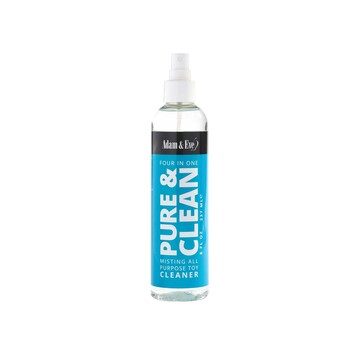
Once you've finished, caring for a glass toy is pretty easy. Glass is nonporous, so it doesn't absorb lubricant or water. Wash the toy with warm water and mild, unscented soap or a toy cleaner before and after each use, then rinse and dry it thoroughly. Store it somewhere safe where it won't come into contact with other hard objects.
When you're ready to use it again, apply your lubricant after you've checked the toy's temperature. Water-based lubricant is a good default, but always follow the product's instructions for lubricant compatibility.
Shop Glass Dildos Made for Temperature Play
Once you know how to safely warm or cool a glass toy, choosing one mostly comes down to the shape, size, and texture you prefer. Smooth, curved designs offer more even contact, while textured styles can create a more pronounced sensation as you move.
If you’re looking for a glass toy for anal play choose one with a wide, flared base to help prevent it from slipping inside the body. Whatever style you choose, check the product page for the toy’s size, material, care instructions, and temperature guidelines before using it.
Ready to find one? Browse glass dildos at Adam & Eve to explore different shapes, sizes, and textures and choose one that suits you.